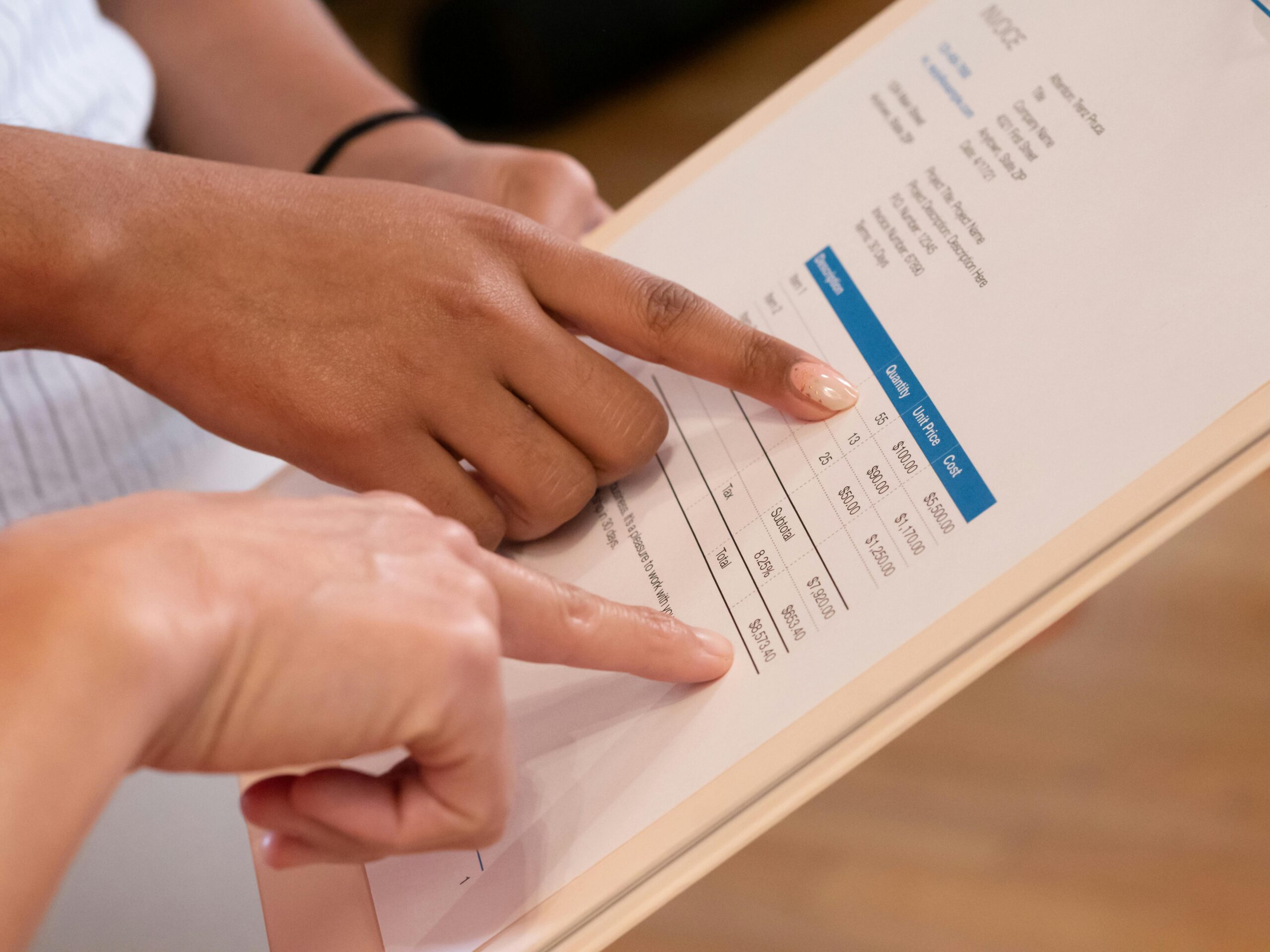
Freelancing offers incredible freedom, but without proper financial management, that freedom can quickly turn into chaos. Regular money meetings are your secret weapon to transform financial stress into strategic success.

Whether you’re a seasoned freelancer or just starting your independent career journey, establishing a structured approach to reviewing your finances can mean the difference between thriving and merely surviving. This comprehensive guide will walk you through creating the ultimate money meeting agenda that addresses every aspect of your freelance financial health.
💼 Why Freelancers Need Regular Money Meetings
Unlike traditional employees who receive predictable paychecks, freelancers face irregular income, variable expenses, and complex tax obligations. A structured money meeting creates accountability and clarity in this uncertain landscape.
These dedicated financial review sessions help you spot trends before they become problems, celebrate wins that might otherwise go unnoticed, and make strategic decisions based on data rather than gut feelings. Think of them as your personal board meetings where you’re both the CEO and the CFO of your one-person enterprise.
Research shows that freelancers who conduct regular financial reviews are 3.5 times more likely to meet their income goals and experience significantly lower financial stress. The discipline of scheduled money meetings creates a rhythm that transforms reactive financial management into proactive wealth building.
🗓️ Setting Your Money Meeting Schedule
Consistency beats intensity when it comes to financial management. Your money meeting frequency should match your business complexity and income patterns.
For most freelancers, a weekly 30-minute session combined with a more comprehensive monthly review creates the perfect balance. Weekly meetings keep you on top of immediate cash flow and upcoming deadlines, while monthly sessions provide the space for deeper analysis and strategic planning.
Schedule these meetings as non-negotiable appointments in your calendar. Friday afternoons work well for weekly reviews, allowing you to close out the week with clarity. Month-end weekends are ideal for comprehensive monthly meetings when you can dedicate uninterrupted time to bigger-picture thinking.
Creating the Right Environment
Your money meeting environment matters more than you might think. Choose a distraction-free space where you can focus completely on your finances. This isn’t the time for multitasking or having the television playing in the background.
Gather all necessary materials beforehand: your laptop, financial tracking tools, receipts, invoices, and a notepad for insights and action items. Some freelancers find that a cup of coffee or tea helps create a ritual atmosphere that signals it’s time for serious financial work.
📋 The Ultimate Weekly Money Meeting Agenda
Your weekly money meeting should be lean and focused, typically lasting 20-30 minutes. The goal is maintaining financial awareness without creating administrative burden.
Review Income Received
Start by checking what payments actually hit your account this week. Don’t just look at invoices sent—track money received. This habit keeps you aware of your real cash position and helps identify slow-paying clients early.
Record each payment in your tracking system, noting the client, project, and any relevant details. This creates a clear audit trail and helps when preparing tax documents later.
Track Expenses and Receipts
Review every business expense from the past week while the transactions are still fresh in your memory. Categorize each expense properly—this weekly discipline saves hours of confusion during tax season.
Scan or photograph any paper receipts immediately and attach them to the corresponding transactions in your accounting system. Missing receipts are one of the most common reasons freelancers miss valuable tax deductions.
Update Invoice Status
Check the status of all outstanding invoices. Which ones are approaching their due dates? Which ones are overdue and need follow-up? Create a quick action list for any necessary client communications.
This regular review prevents the uncomfortable situation where you suddenly realize a major payment is 60 days overdue and you never followed up. Consistent attention to receivables dramatically improves cash flow.
Upcoming Week Preview
Look ahead at the coming week’s financial obligations. What bills are due? What invoices should you send? Are there any irregular expenses coming up that require preparation?
This forward-looking component transforms your money meeting from a rear-view mirror exercise into a strategic planning session that prevents surprises.
📊 The Comprehensive Monthly Money Meeting Agenda
Your monthly money meeting deserves more time and attention—plan for 60-90 minutes of focused financial work. This is where strategic thinking happens and bigger patterns emerge.
Complete Income Analysis
Calculate your total income for the month, broken down by client, project type, and income stream. This analysis reveals which clients are truly profitable and which projects deserve more of your energy.
Compare this month’s income to previous months and to your annual goals. Are you on track? Ahead? Behind? Understanding these trends helps you make informed decisions about pricing, marketing, and capacity.
| Income Metric | What to Track | Why It Matters |
|---|---|---|
| Total Revenue | All income received | Overall business health |
| Income by Client | Revenue per client | Client concentration risk |
| Income by Service | Revenue per offering | Profitability analysis |
| Average Project Value | Mean project income | Pricing effectiveness |
Deep Dive Expense Review
Analyze your complete expense picture for the month, looking for patterns, anomalies, and optimization opportunities. Group expenses into categories: software subscriptions, equipment, marketing, professional development, office expenses, and others relevant to your business.
Calculate your expense ratio—what percentage of your income went to business expenses? For most freelancers, keeping business expenses between 20-40% of gross income is healthy, though this varies significantly by industry.
Profit Calculation and Allocation
Subtract your total expenses from total income to determine your actual profit for the month. This is your real earning power, not just your gross income.
Decide how to allocate this profit across different priorities: taxes, savings, business reinvestment, and personal compensation. The Profit First methodology suggests allocating percentages immediately upon receiving payments, which many freelancers find transformative.
Tax Preparation Progress
Review your tax savings account and ensure you’re setting aside appropriate amounts for quarterly estimated taxes. Calculate your year-to-date tax liability so there are no surprises when filing time arrives.
Check that all expense categorizations are correct and that you have proper documentation. A few minutes of attention monthly prevents days of stress when preparing your tax return.
Cash Flow Projection
Look ahead at the next 30-90 days and project your expected income and expenses. This forward-looking analysis helps you spot potential cash crunches before they happen and make strategic decisions about taking on new projects or making large purchases.
Identify any gaps between expected expenses and expected income. If you see a shortfall coming, you have time to pursue additional projects, adjust spending, or tap into savings strategically rather than reactively.
🎯 Strategic Elements for Quarterly Money Meetings
Every three months, expand your money meeting to include bigger-picture strategic thinking. This quarterly review should take 2-3 hours and cover elements beyond immediate financial management.
Goal Progress Assessment
Review the annual financial goals you set for your freelance business. Are you tracking toward them? What adjustments need to happen in the next quarter to stay on course?
This is the time to be honest about what’s working and what isn’t. If a particular income goal isn’t happening, is it because the goal was unrealistic, or because you haven’t taken the necessary actions? Strategic clarity emerges from this honest assessment.
Rate and Pricing Review
Examine whether your current rates still reflect your value, experience, and market position. Most freelancers should increase rates annually, but many forget to actually implement those increases without a structured review process.
Consider your income goals, current workload, and market research. Calculate what rates you need to charge to meet your financial objectives without burning out from overwork.
Business Model Optimization
Step back and evaluate your entire business model. Which services are most profitable? Which clients are ideal? Where are you spending time that doesn’t translate to income?
This strategic thinking might reveal that you’re spending 40% of your time on a service that generates only 15% of your income. These insights drive powerful business decisions that compound over time.
🛠️ Essential Tools for Effective Money Meetings
The right tools transform your money meetings from overwhelming to empowering. While you don’t need complicated systems, having organized financial data at your fingertips makes all the difference.
Accounting and Bookkeeping Software
Dedicated accounting software designed for freelancers eliminates spreadsheet chaos and provides instant visibility into your financial picture. Look for tools that connect to your bank accounts, track expenses automatically, and generate reports with minimal effort.
Popular options include QuickBooks Self-Employed, FreshBooks, and Wave. Choose based on your specific needs, but prioritize ease of use—the best accounting system is the one you’ll actually use consistently.
Invoice and Payment Tracking
Separate invoice management tools or features within your accounting software help you create professional invoices, track payment status, and send automated reminders. This removes the awkwardness from following up on overdue payments.
Many freelancers find that simply having a system that shows invoice status at a glance—sent, viewed, paid, overdue—makes money meetings more productive and less stressful.
Expense Tracking Applications
Mobile expense tracking apps let you capture receipts instantly, categorize expenses on the go, and sync everything to your main accounting system. This real-time tracking eliminates the monthly pile of mystery receipts.
Look for apps that use optical character recognition to extract key information from receipt photos automatically. This technology turns a tedious task into a quick photo and a few taps.
Financial Dashboard and Reporting
Create or use tools that provide a visual dashboard of your key financial metrics. Being able to see income trends, expense patterns, and profitability at a glance makes your money meetings more strategic and less administrative.
Some freelancers create custom dashboards in Google Sheets or Excel, while others use the reporting features built into their accounting software. The format matters less than having the information readily accessible and visually understandable.
💡 Making Money Meetings Actually Happen
The best money meeting agenda in the world doesn’t help if you never actually conduct the meetings. Building this discipline requires intention and often some psychological strategies.
Overcoming Financial Avoidance
Many freelancers avoid looking at their finances because of fear, shame, or feeling overwhelmed. If you struggle with financial avoidance, start with incredibly short meetings—even just 10 minutes counts.
Focus on building the habit before perfecting the process. Showing up consistently, even imperfectly, creates momentum that makes future meetings easier. Celebrate the act of having the meeting, not just the financial results you discover during it.
Accountability Partnerships
Consider finding an accountability partner—another freelancer who also wants to improve their financial management. Schedule your money meetings at the same time and check in with each other afterward.
This external accountability dramatically increases follow-through. Knowing someone will ask “did you do your money meeting this week?” provides motivation on days when you’d rather skip it.
Reward Systems That Work
Create small rewards for completing your money meetings consistently. After a month of perfect attendance, treat yourself to something enjoyable. These positive reinforcements help override the natural resistance many people feel toward financial tasks.
Some freelancers only allow themselves to watch a favorite show or enjoy a special coffee while conducting their money meeting, creating a positive association with the task.
🚀 Advanced Money Meeting Practices
Once you’ve mastered the basics, these advanced practices can take your financial management to the next level and accelerate your freelance success.
Scenario Planning Sessions
Periodically use your money meeting time to run through financial scenarios. What would happen if your largest client disappeared tomorrow? How would a 20% income increase change your business options? What if you had an unexpected $5,000 expense?
This scenario planning reduces anxiety by creating contingency plans before you need them. You’ll move through your freelance career with greater confidence knowing you’ve thought through various possibilities.
Profit Margin Analysis by Project
Move beyond simple income tracking to calculate actual profit margins for different project types. Factor in not just direct expenses but the true time investment each project requires.
You might discover that a $2,000 project that takes 10 hours is more profitable than a $5,000 project that consumes 40 hours. This level of analysis helps you make strategic decisions about which opportunities to pursue.
Financial Experimentation Tracking
Use your money meetings to track business experiments and their financial results. Tried a new marketing approach? Adjusted your pricing structure? Changed your service offerings? Document the financial impact over time.
This systematic approach to experimentation turns your freelance business into a laboratory where you continuously learn what works and what doesn’t, based on actual data rather than assumptions.
🎓 Growing Your Financial Intelligence
Your money meetings should include time for financial education, gradually building your understanding of business finance, tax strategy, and wealth building.
Dedicate even just five minutes of each monthly money meeting to learning something new about freelance finances. Read an article about quarterly taxes, watch a video about retirement account options, or research a new financial tool.
This consistent education compounds over time. After a year of five-minute learning sessions, you’ll have invested an hour of focused financial education. After five years, you’ll have transformed your financial literacy in ways that directly impact your bottom line.
📈 Measuring Your Money Meeting Success
How do you know if your money meetings are actually working? Track these indicators of financial health that should improve over time with consistent financial management.
- Reduced financial stress and anxiety about money
- Faster invoice payment as you follow up more consistently
- Fewer surprise expenses because you’re planning ahead
- Growing emergency fund and business savings
- More strategic business decisions based on actual data
- Increased confidence in your pricing and financial negotiations
- Better work-life balance as financial pressure decreases
- Progress toward both short-term and long-term financial goals
Track at least a few of these metrics intentionally. The qualitative improvements in your relationship with money are just as important as quantitative financial gains.

🌟 Transforming Your Freelance Financial Future
Implementing a structured money meeting practice might feel awkward or time-consuming at first, but the investment pays exponential dividends. Freelancers who master their finances operate from a position of strength rather than stress.
Your money meetings become the foundation for every other aspect of freelance success. With clear financial visibility, you make better decisions about which projects to accept, when to invest in your business, and how to price your valuable services.
Start small if the complete agenda feels overwhelming. Begin with just weekly 15-minute check-ins focused on income received and expenses incurred. As this habit solidifies, gradually expand to include more comprehensive monthly and quarterly reviews.
Remember that perfect execution isn’t the goal—consistent practice is. A slightly messy money meeting that actually happens beats a theoretically perfect system you never implement. Give yourself permission to learn and improve your process over time.
The freelancers who thrive over the long term aren’t necessarily those with the most talent or the biggest clients. They’re the ones who treat their freelance work as a real business, and that means taking financial management seriously through regular, structured money meetings.
Your ultimate money meeting agenda is a living document that evolves with your business. Revisit and refine your process quarterly, keeping what serves you and adjusting what doesn’t. The goal is creating a sustainable financial management rhythm that supports your definition of freelance success.
By committing to regular money meetings starting today, you’re choosing financial empowerment over financial chaos. You’re deciding that your freelance business deserves the same financial attention that any serious enterprise requires. This decision, implemented consistently over months and years, will transform not just your bank account but your entire relationship with money and business success.