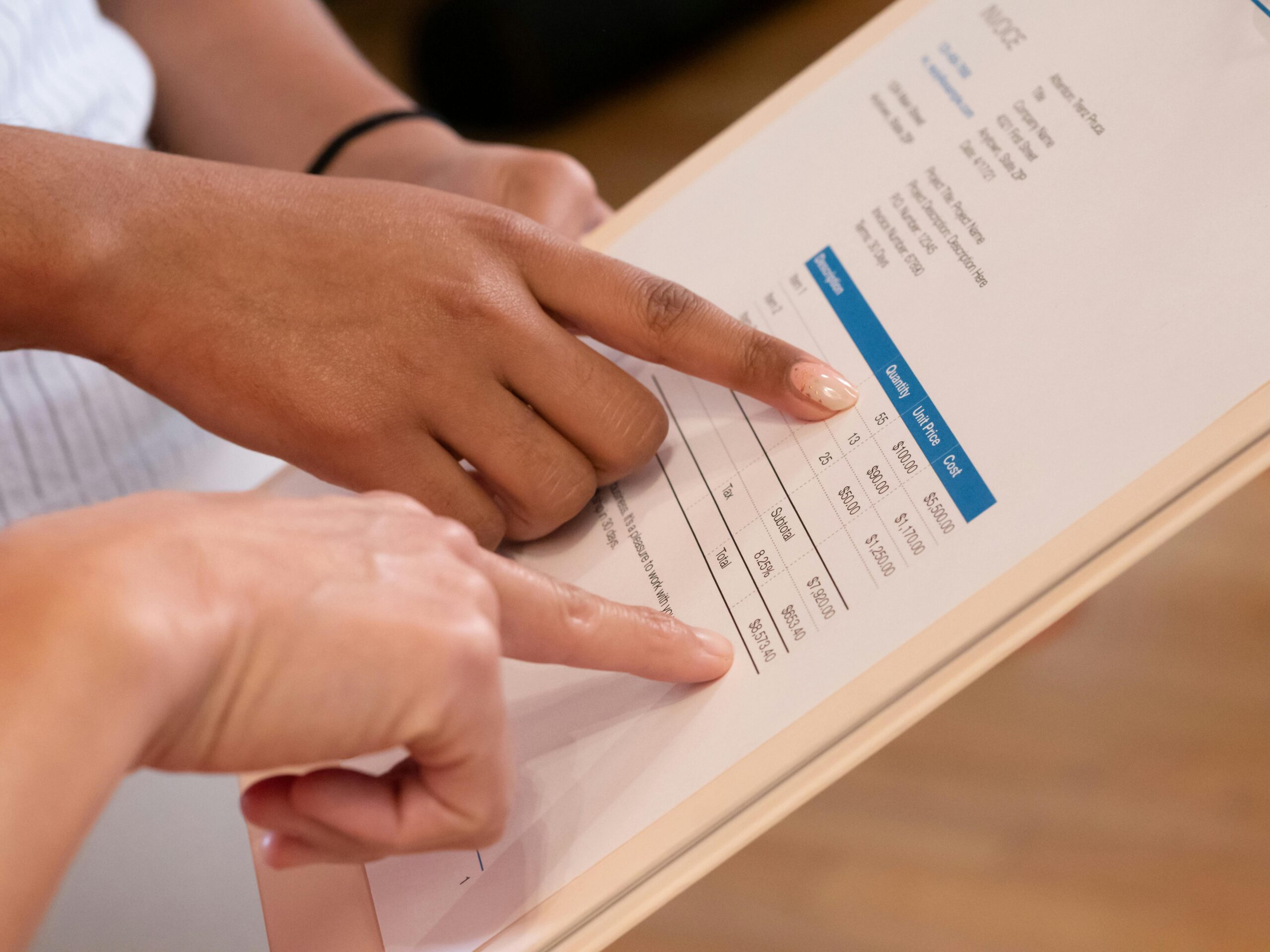
Managing shared expenses can be one of the most challenging aspects of living with roommates, partners, or family members. The key to financial harmony lies in establishing clear communication through structured money meetings.

Whether you’re splitting rent with roommates, managing household expenses with a partner, or coordinating family finances, a well-planned money meeting agenda can transform financial chaos into clarity. This approach not only prevents misunderstandings but also builds trust and accountability among everyone involved in shared financial responsibilities.
💰 Why Traditional Expense Sharing Methods Fall Short
Many people rely on informal arrangements when splitting costs, often leading to confusion and conflict. Someone pays for groceries this week, another covers utilities next month, and before long, nobody remembers who owes what to whom. This disorganized approach creates tension and resentment that can damage relationships.
The problem intensifies when expenses vary significantly from month to month. How do you fairly split costs when one person uses more electricity or eats more groceries? Without a structured system, these discrepancies become sources of ongoing friction rather than manageable details.
Traditional methods like keeping receipts in a drawer or sending sporadic text messages about who paid for what simply don’t scale. As expenses accumulate and life gets busier, these ad-hoc systems inevitably break down, leaving everyone frustrated and out of pocket.
🎯 The Power of a Structured Money Meeting
A money meeting is a scheduled, focused discussion where all parties involved in shared expenses come together to review finances, settle accounts, and plan ahead. Unlike casual conversations about money that happen sporadically, these meetings follow a consistent agenda and occur at regular intervals.
The beauty of this approach lies in its predictability. When everyone knows a money meeting happens on the first Sunday of each month, for example, they can prepare mentally and gather necessary information. This structure removes the awkwardness of constantly bringing up money matters and creates a dedicated space for financial discussions.
Regular money meetings also prevent small issues from festering into major conflicts. Rather than letting confusion about a three-month-old expense create ongoing tension, you address it promptly at the next scheduled meeting. This proactive approach maintains healthy relationships while keeping finances organized.
📋 Essential Components of Your Money Meeting Agenda
A effective money meeting agenda should cover specific topics in a logical sequence. Starting with a review of the previous month’s expenses helps everyone understand where money went and identifies any patterns or concerns that need attention.
Opening Review and Account Settlement
Begin each meeting by reviewing all shared expenses since your last gathering. This includes rent, utilities, groceries, household supplies, and any other costs you’ve agreed to split. Each person should bring documentation of expenses they’ve paid on behalf of the group.
Calculate who owes what to whom using your agreed-upon splitting method. Whether you divide everything equally or use percentages based on income or usage, apply your formula consistently. Settle these balances immediately when possible to start fresh for the next period.
Upcoming Expenses and Budget Planning
After settling past accounts, shift focus to anticipated expenses. Discuss upcoming bills, planned purchases for the household, and any special events or circumstances that might affect finances. This forward-looking discussion helps everyone prepare and avoid surprises.
Set spending limits for variable categories like groceries or entertainment if you share these costs. Agreeing on boundaries beforehand prevents disagreements about whether someone spent too much on behalf of the group.
System Evaluation and Improvement
Dedicate time to discussing whether your current expense-sharing system is working effectively. Are there categories causing confusion? Is the splitting method feeling unfair to anyone? Address these concerns openly and adjust your approach as needed.
This continuous improvement mindset ensures your money management system evolves with changing circumstances. As incomes shift, new people join the household, or spending patterns change, your system can adapt accordingly.
🔧 Tools and Technology for Expense Tracking
While you can certainly manage shared expenses with spreadsheets or even paper records, specialized apps make the process significantly easier. These tools automatically calculate balances, send reminders, and provide clear visibility into shared financial activity.
Modern expense-sharing applications allow you to photograph receipts, categorize expenses, and split costs in various ways. Some apps integrate with bank accounts for automatic transaction importing, while others focus on manual entry with simplified interfaces.
The right tool depends on your specific needs and technical comfort level. Consider factors like the number of people sharing expenses, the complexity of your splitting arrangements, and whether you need features like recurring expense automation or multiple currency support.
📊 Creating Your Custom Meeting Template
Your money meeting agenda should be documented in a template you can reuse each month. This consistency ensures nothing gets overlooked and makes meetings more efficient over time as everyone becomes familiar with the format.
Start by listing the standard topics you’ll cover every meeting. Then add space for month-specific items that might arise. Include sections for action items and decisions made so you have a record to reference later if questions emerge.
Here’s a sample structure you can adapt:
- Welcome and agenda review (2 minutes)
- Previous meeting action items follow-up (5 minutes)
- Expense review since last meeting (15 minutes)
- Balance calculation and settlement (10 minutes)
- Upcoming expenses discussion (10 minutes)
- Budget adjustments or system changes (10 minutes)
- New action items and next meeting confirmation (3 minutes)
Adjust timing based on your needs, but aim to keep meetings under an hour to maintain everyone’s engagement and willingness to participate consistently.
💬 Communication Strategies for Difficult Conversations
Money discussions can trigger strong emotions, especially when someone feels they’re paying more than their fair share or when financial stress is already high. Establishing ground rules for communication helps keep meetings productive rather than contentious.
Frame concerns using “I” statements rather than accusations. Instead of saying “You always buy expensive groceries,” try “I’m concerned about our grocery budget and would like to discuss ways to reduce costs.” This approach focuses on the issue rather than attacking the person.
Listen actively when others express financial concerns. Resist the urge to immediately defend yourself or dismiss their feelings. Sometimes people just need to be heard and validated before they’re ready to problem-solve collaboratively.
Handling Disputes and Disagreements
Despite best efforts, conflicts will occasionally arise. When they do, return to your agreed-upon principles and splitting methodology. Having established guidelines helps depersonalize disagreements and focus on objective criteria rather than subjective feelings.
If you reach an impasse, consider bringing in a neutral third party or agreeing to table the discussion until the next meeting. Sometimes a cooling-off period allows emotions to settle and creates space for more creative solutions to emerge.
Document all agreements clearly in your meeting notes. Many disputes arise from different memories of what was decided. Written records eliminate this ambiguity and provide a reference point for future discussions.
🏡 Adapting the Agenda for Different Living Situations
The specific content of your money meeting agenda will vary based on your household composition and financial arrangement. Romantic partners sharing finances have different needs than roommates splitting rent and utilities.
For Romantic Partners
Couples often blend shared and individual expenses, requiring more nuanced discussions. Your agenda might include topics like progress toward shared goals, individual discretionary spending, and long-term financial planning alongside immediate expense settlement.
Consider scheduling money dates rather than money meetings to create a more positive association. Pair the financial discussion with an enjoyable activity like cooking dinner together or having coffee at a favorite café.
For Roommates
Roommate situations typically involve clearer boundaries between shared and personal expenses. Focus your agenda on common costs like rent, utilities, internet, and household supplies. Keep discussions businesslike and efficient to respect everyone’s time.
Establish clear policies about guests, shared food versus personal groceries, and common space supplies. Addressing these topics proactively in your regular meetings prevents the small irritations that can escalate into major roommate conflicts.
For Families with Adult Children
When adult children live at home and contribute to household expenses, money meetings help maintain appropriate boundaries and clear expectations. These discussions can also serve as valuable financial education opportunities for young adults learning to manage money.
Be explicit about what expenses children are expected to contribute toward and what remains the parents’ responsibility. This clarity helps adult children develop independence while respecting the parents’ household.
📈 Measuring Success and Adjusting Your Approach
Evaluate your money meeting effectiveness periodically by asking whether the system is achieving its goals. Are expenses being tracked accurately? Do people feel the splitting arrangement is fair? Are you catching and resolving issues quickly?
Track metrics that matter to your household. This might include the average time spent on financial discussions each month, the number of disputes or misunderstandings, or simply how stressed people feel about shared money matters.
Be willing to experiment with different approaches. If monthly meetings feel too infrequent, try bi-weekly check-ins. If your current app isn’t meeting your needs, research alternatives. The best system is the one that actually works for your specific situation.
🚀 Advanced Strategies for Financial Harmony
Once you’ve mastered basic expense tracking and settlement, consider implementing more sophisticated strategies. Creating a shared household emergency fund provides a buffer for unexpected expenses and reduces financial stress for everyone involved.
Establish a small buffer in your shared accounts so you’re not constantly transferring exact amounts. If you split $1,000 monthly in shared expenses, each person might contribute $1,050, building a cushion that covers small discrepancies and provides flexibility.
Consider seasonal budget adjustments for expenses that vary throughout the year. Utility costs might spike in summer or winter, or holiday months might involve more social expenses. Planning for these fluctuations prevents budget surprises.
Building Long-Term Financial Goals Together
When your short-term expense management runs smoothly, you create space for bigger conversations. Roommates might discuss saving collectively for household improvements or quality furniture purchases. Partners can focus on saving for vacations, homes, or retirement.
These aspirational discussions strengthen relationships by aligning everyone toward common objectives. The money meeting transforms from a purely administrative task into a tool for building the life you want together.
🎓 Teaching Financial Responsibility Through Money Meetings
Regular financial discussions create natural opportunities for everyone to develop stronger money management skills. Less experienced members of the household learn from observing how others budget, prioritize expenses, and make financial decisions.
Encourage everyone to take turns leading different parts of the meeting. This shared responsibility develops skills and ensures no single person becomes the default “money manager” who feels burdened by the administrative work.
Celebrate financial wins during your meetings. When you successfully stay under budget, pay off a shared debt, or reach a savings goal, acknowledge the achievement. These positive moments create motivation and reinforce good financial habits.
⚡ Making Money Meetings a Lasting Habit
The hardest part of any new system is maintaining consistency long enough for it to become routine. Schedule your money meetings on the same day and time each period so they become automatic rather than requiring constant coordination.
Set reminders a few days before each meeting so everyone has time to gather receipts and review expenses. This preparation makes meetings more efficient and demonstrates respect for everyone’s time.
Keep the atmosphere as positive as possible. While money discussions can be serious, they don’t need to be grim. Maintain a problem-solving mindset focused on working together rather than assigning blame for financial issues.
Start and end meetings on time to demonstrate that you value everyone’s participation. If discussions regularly run long, that’s a signal to either streamline your process or schedule more time. Respecting the agreed-upon schedule builds trust and ensures continued attendance.

🌟 Transforming Financial Stress into Financial Confidence
The ultimate goal of implementing a smart money meeting agenda is replacing anxiety and confusion with clarity and control. When everyone knows exactly where they stand financially and feels confident that shared expenses are being managed fairly, relationships strengthen and stress diminishes.
This structured approach creates accountability without awkwardness. Nobody needs to chase others for money or wonder if they’re being taken advantage of. The system handles these concerns automatically through regular check-ins and transparent record-keeping.
Over time, you’ll likely find that money meetings require less time and energy as your system becomes refined and everyone develops better habits. What initially felt like adding another obligation transforms into a valuable practice that saves time and prevents much larger problems.
Financial harmony in shared living situations doesn’t happen accidentally. It requires intentional communication, clear systems, and regular maintenance. By implementing a smart money meeting agenda, you create the structure necessary for this harmony to flourish, allowing you to focus on enjoying your relationships rather than worrying about who owes what to whom.