Managing meetings effectively can make or break your team’s productivity. In today’s fast-paced business environment, staying organized isn’t just nice to have—it’s essential for success.

Whether you’re leading a small team or coordinating across departments, the right tools can transform chaotic gatherings into focused, productive sessions. A printable money agenda pack offers a practical solution to streamline your meetings while keeping financial discussions clear and actionable.
💼 Why Traditional Meeting Approaches Fall Short
Many professionals struggle with meetings that drag on without clear outcomes. People arrive unprepared, discussions veer off-topic, and valuable time slips away without tangible results. The problem often isn’t the meeting itself—it’s the lack of proper structure and organization.
Financial discussions present unique challenges. When money matters are on the table, precision and clarity become paramount. Without a dedicated framework, budget reviews, expense reports, and financial planning sessions can quickly become confusing and unproductive.
Traditional note-taking methods often fail to capture the full picture. Scattered notes, missing action items, and unclear responsibilities leave team members wondering what was actually decided. This confusion leads to repeated discussions and wasted effort.
📋 What Makes a Money Agenda Pack Different
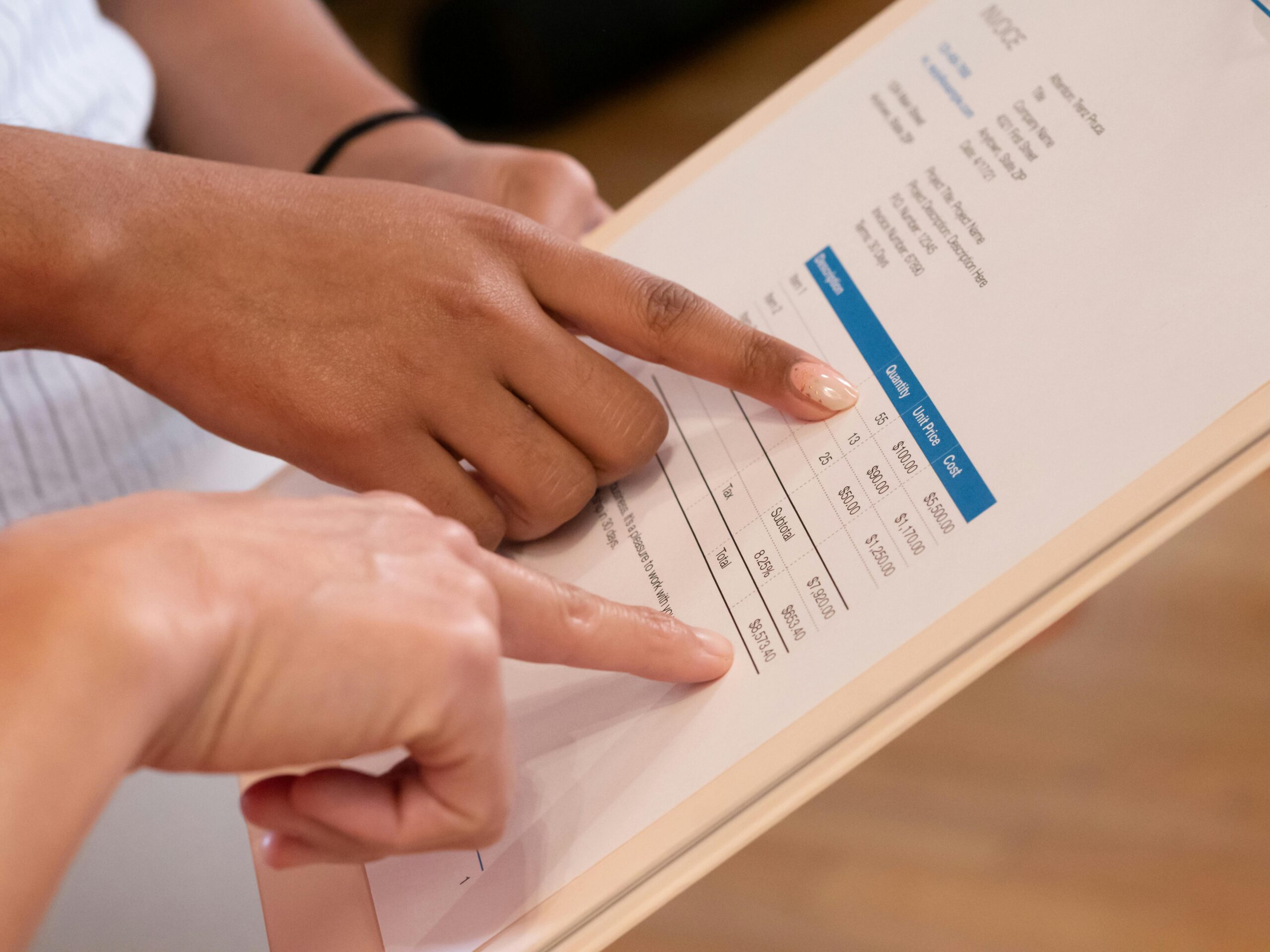
A specialized printable money agenda pack brings structure to financial meetings through purposefully designed templates. Unlike generic meeting notes, these packs include sections specifically tailored for budget discussions, expense tracking, and financial decision-making.
The physical act of writing on printed templates engages different cognitive processes than digital note-taking. Research shows that handwriting improves memory retention and comprehension, making printed agendas particularly valuable for complex financial discussions.
These agenda packs typically include multiple components working together as a comprehensive system. Each page serves a specific purpose, from pre-meeting preparation through post-meeting follow-up, creating a complete workflow that keeps everyone aligned.
Essential Components of an Effective Pack
The best printable money agenda packs contain several key elements that work together seamlessly. A well-designed pack should include templates for meeting preparation, discussion tracking, decision documentation, and action item assignment.
- Pre-meeting planning sheets that help you define objectives and prepare talking points
- Agenda templates with time allocations for each discussion topic
- Budget tracking pages for reviewing financial data during meetings
- Decision-making matrices to evaluate financial options systematically
- Action item trackers with clear ownership and deadlines
- Meeting summary sheets for quick reference and distribution
⏰ Time-Saving Benefits That Matter
Time is your most valuable resource, and effective meeting management directly impacts your bottom line. When you calculate the hourly cost of having multiple team members in a room, every minute counts. A structured approach can reduce meeting duration by 30-40% while improving outcomes.
Preparation time decreases dramatically when you have a consistent template system. Instead of creating agendas from scratch each time, you simply fill in the relevant sections. This consistency also helps participants prepare more effectively because they know what to expect.
Post-meeting follow-up becomes streamlined when action items are clearly documented during the discussion. No more spending hours trying to remember what was decided or who committed to what. Everything is captured in real-time, ready for immediate distribution.
Reducing Meeting Frequency Through Better Organization
Ironically, better meeting organization often leads to needing fewer meetings overall. When each session produces clear outcomes and documented decisions, you eliminate the need for follow-up meetings to clarify what happened.
Well-organized financial meetings create a reliable reference system. Team members can review documented decisions rather than scheduling additional meetings to rehash previous discussions. This reference library becomes increasingly valuable over time.
💰 Financial Clarity and Accountability
Money discussions require precision and transparency. A dedicated agenda pack ensures all financial information is presented consistently, making it easier to compare options, track spending, and make informed decisions.
Accountability improves dramatically when financial decisions are documented clearly. Who approved what expenditure? What was the reasoning? When should results be reviewed? These questions are answered definitively in a well-maintained agenda pack.
Budget variance discussions become more productive when you have dedicated space to analyze differences between planned and actual spending. Rather than general conversations about overspending, you can dive into specific line items and understand root causes.
Creating an Audit Trail for Financial Decisions
Documented meeting records create a valuable audit trail for financial governance. This becomes particularly important for organizations with fiduciary responsibilities or those undergoing audits.
The chronological record of financial discussions helps identify patterns and trends. You can see how decisions evolved over time, which strategies worked, and where adjustments might be needed. This historical perspective informs better future planning.
🎯 Boosting Team Productivity and Engagement
Engaged participants contribute more valuable insights and take greater ownership of outcomes. A structured agenda pack signals professionalism and respect for everyone’s time, which naturally increases engagement levels.
When people arrive at meetings knowing exactly what will be discussed and what preparation is needed, participation quality improves significantly. The agenda pack serves as both a guide and a participation tool, keeping everyone focused and involved.
Clear documentation of contributions and decisions validates team members’ input. People feel heard when their ideas are recorded and considered systematically. This validation encourages ongoing participation and creative problem-solving.
Balancing Structure with Flexibility
While structure is crucial, the best agenda packs allow for flexibility when needed. Important discussions may require more time, and unexpected issues sometimes arise. Your system should guide without constraining productive conversations.
Include buffer time in your agendas for organic discussion while maintaining overall time boundaries. This balance keeps meetings productive without feeling rushed or rigid. The structure serves the team, not the other way around.
📱 Digital Tools vs. Printable Templates
Digital meeting tools offer advantages like easy distribution and searchability. However, printable templates provide unique benefits that shouldn’t be overlooked, particularly for financial discussions requiring careful review and annotation.
Physical documents eliminate technology distractions during meetings. When everyone is working from printed agendas, you avoid the constant pinging of notifications and the temptation to multitask on devices. Full attention stays on the discussion at hand.
Many professionals find that the tactile experience of writing helps them think more deeply about complex issues. The physical act of documenting decisions creates a sense of commitment and permanence that digital notes sometimes lack.
Creating a Hybrid Approach
The most effective solution often combines printable templates with digital tools. Use printed agendas during meetings for focus and engagement, then scan or photograph completed documents for digital archiving and distribution.
This hybrid approach provides the cognitive benefits of handwriting while maintaining the searchability and accessibility of digital records. You get the best of both worlds without sacrificing either advantage.
🔧 Implementing Your Money Agenda Pack System
Successful implementation requires more than just downloading templates. Start by customizing the pack to match your specific meeting types and organizational needs. Not every template will apply to every meeting, so create a modular system you can adapt.
Introduce the system gradually rather than completely overhauling your meeting process overnight. Begin with one meeting type or team, refine based on feedback, then expand. This measured approach increases acceptance and allows for necessary adjustments.
Train team members on how to use the agenda pack effectively. Explain the purpose of each section, demonstrate best practices, and address questions. This investment in training pays dividends through consistent, effective use.
Customization Tips for Maximum Effectiveness
Tailor templates to reflect your organization’s specific financial categories and reporting structure. If your budgets are organized by department, your meeting templates should mirror that structure for seamless integration.
Add your organization’s branding to create professional, cohesive materials. This simple touch increases perceived value and encourages consistent use. Branded templates also present well when shared with external stakeholders.
Consider the physical format carefully. Will participants work from individual copies or collaborate around a large format? Should templates be three-hole punched for binders or designed for clipboards? These practical considerations affect usability.
📊 Measuring the Impact on Your Organization
Track key metrics to quantify the benefits of your new system. Average meeting duration, participant satisfaction scores, and action item completion rates provide concrete data about effectiveness.
Survey team members regularly about their experience with the agenda pack system. What’s working well? Where do they struggle? This feedback drives continuous improvement and demonstrates that leadership values their input.
Compare the number of follow-up meetings needed before and after implementing your system. Reduction in these clarification meetings directly translates to time and cost savings that executives will appreciate.
Continuous Improvement Strategies
Review your templates quarterly to ensure they remain relevant and useful. Business needs evolve, and your meeting tools should evolve with them. Regular updates keep the system fresh and aligned with current priorities.
Create a feedback loop where users can suggest improvements or request new template types. This collaborative approach increases buy-in and often generates ideas you wouldn’t have considered independently.
🌟 Making Meetings Matter Again
Well-organized meetings become something team members actually look forward to rather than dread. When people know their time will be used wisely and their contributions will be valued and documented, attitude shifts dramatically.
The ripple effects of better meetings extend throughout your organization. Clearer communication, faster decision-making, and improved accountability create momentum that affects projects beyond the meeting room itself.
Financial clarity gained through structured money meetings translates to better resource allocation across your entire organization. When budget discussions are productive and well-documented, the resulting decisions support strategic objectives more effectively.
🚀 Taking Action Today
Starting with a printable money agenda pack requires minimal investment but delivers substantial returns. Begin by identifying your most problematic meeting type—the one that consistently runs long or produces unclear outcomes—and apply your new system there first.
Prepare your first agenda pack thoughtfully, considering who will attend and what you need to accomplish. Fill in as much as possible before the meeting to demonstrate the system’s value and set expectations for future sessions.
After your first meeting using the pack, gather immediate feedback while the experience is fresh. What felt helpful? What seemed unnecessary? Use these insights to refine your approach for next time.
The path to more productive meetings starts with simple, consistent tools used well. A printable money agenda pack provides the foundation for this transformation, turning chaotic discussions into structured sessions that respect everyone’s time and drive real results. By committing to organized, purposeful meetings, you’re not just saving time—you’re creating a culture of productivity that will serve your organization for years to come.