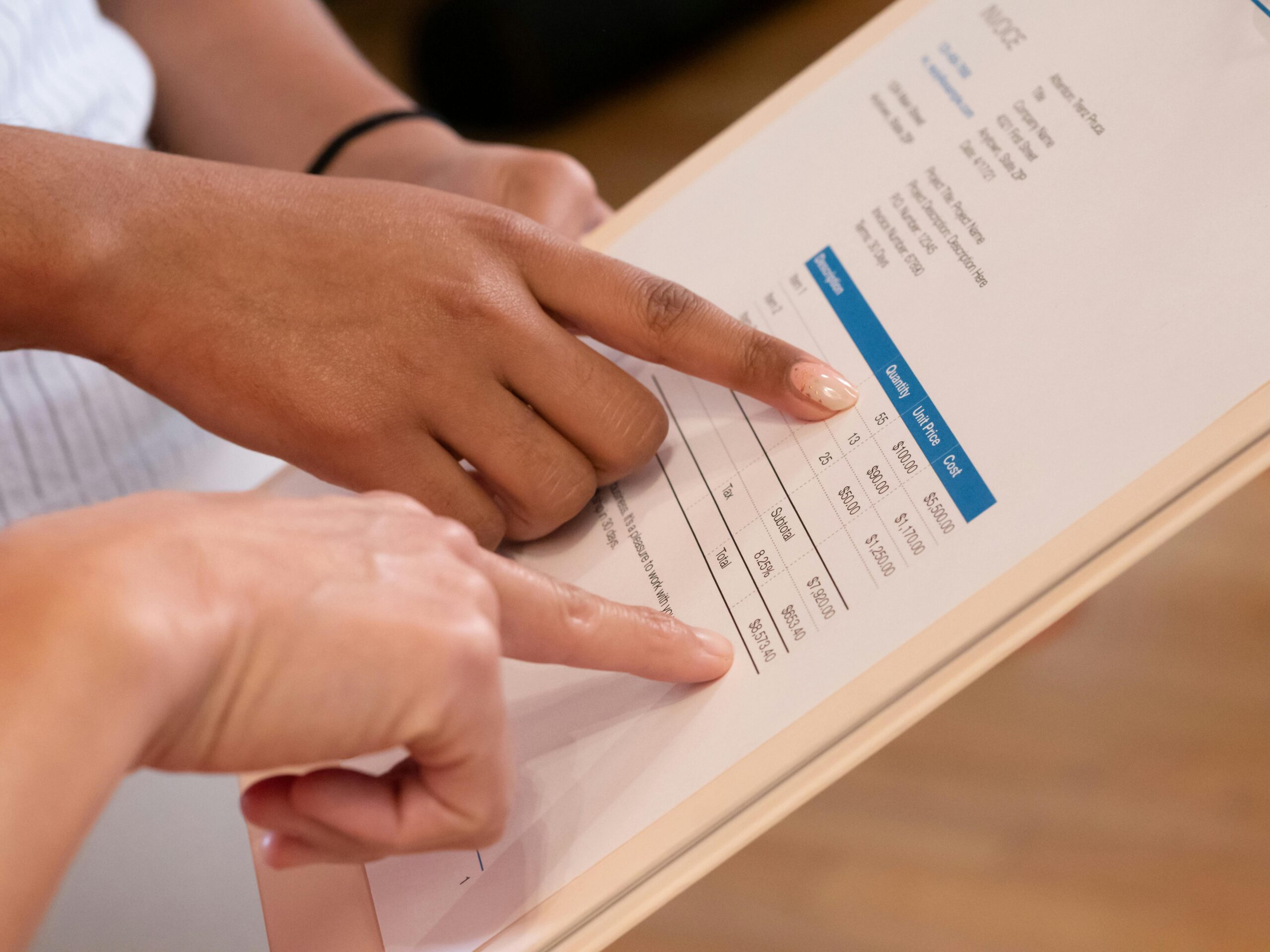
Money conversations don’t have to be stressful. When couples create a consistent rhythm for discussing finances together, they build trust, reduce anxiety, and strengthen their partnership in meaningful ways.

Financial disagreements remain one of the leading causes of relationship stress and divorce. Yet most couples avoid regular money conversations until problems arise. A weekly money check-in transforms finances from a source of tension into an opportunity for connection, shared goals, and mutual support.
Why Weekly Money Conversations Transform Relationships 💑
Setting aside dedicated time each week to discuss finances creates a foundation of transparency and teamwork. Unlike monthly or sporadic conversations that can feel overwhelming, weekly check-ins keep issues small and manageable before they escalate into conflicts.
Research consistently shows that couples who communicate regularly about money report higher relationship satisfaction. These conversations create alignment around values, reduce financial surprises, and ensure both partners feel heard and respected in financial decisions.
Weekly check-ins also normalize money talk. When you discuss finances regularly, the topic loses its emotional charge. What once felt awkward or confrontational becomes routine, practical, and even enjoyable as you celebrate progress together.
Setting Up Your Weekly Money Date Successfully
The environment you create for these conversations matters tremendously. Choose a consistent time when both partners are relaxed and not rushed. Sunday evenings or Saturday mornings often work well, but find what fits your schedules best.
Make the experience pleasant rather than punitive. Pour your favorite beverages, sit somewhere comfortable, and approach the conversation as teammates rather than adversaries. Some couples light a candle or play soft background music to create a calm atmosphere.
Keep the duration manageable. Most effective check-ins last between 20 and 45 minutes. Setting a time limit prevents the conversation from dragging on and helps you stay focused on the most important topics.
Creating Your Physical and Mental Space
Turn off distractions including phones, television, and other interruptions. This dedicated time deserves your full attention. If you have children, arrange for them to be occupied or asleep during your money date.
Both partners should come prepared with relevant information: recent purchases, upcoming expenses, or financial concerns. Having your banking apps, budget tools, or financial documents accessible makes the conversation more productive and fact-based rather than emotional.
Essential Components of Your Weekly Money Check-In Agenda 📋
A structured agenda ensures you cover important ground without forgetting critical topics. While you can customize based on your specific needs, certain elements should appear in most check-ins.
Reviewing the Previous Week’s Spending
Start by looking at what you actually spent during the past week. This isn’t about judgment or blame—it’s simply about awareness. Review major purchases, unexpected expenses, and whether spending aligned with your planned budget.
Look for patterns without criticism. If one partner spent more than expected, explore the reasons together. Perhaps there was a legitimate need, or maybe it reveals an area where your budget needs adjustment.
Many couples find it helpful to use budgeting apps that automatically track and categorize spending. These tools provide objective data that removes emotion from the conversation and helps you see patterns over time.
Planning for the Week Ahead
Discuss known expenses coming in the next seven days. This includes bills due, planned purchases, social activities, groceries, and any irregular expenses like car maintenance or gifts.
Anticipating expenses together prevents surprise spending that can trigger conflict. When both partners know money will be spent on specific items, there’s shared accountability and no one feels blindsided.
Assign responsibility for various expenses. Clarity about who’s handling what payment or purchase eliminates confusion and ensures nothing falls through the cracks.
Checking Progress Toward Financial Goals
Your weekly check-in should include a brief review of progress toward larger financial objectives. Whether you’re saving for a vacation, paying down debt, building an emergency fund, or investing for retirement, track movement toward these goals.
Celebrating small wins matters tremendously. If your emergency fund grew by even fifty dollars this week, acknowledge that progress. These celebrations reinforce positive financial behaviors and keep you motivated.
If you’re not making expected progress, discuss obstacles without blame. Perhaps your timeline needs adjustment, or maybe you need to increase income or reduce expenses in certain categories.
Advanced Topics to Rotate Into Your Check-Ins
Beyond the weekly essentials, incorporate deeper financial topics on a rotating basis. These might not require attention every single week but deserve regular discussion.
Investment Portfolio Reviews 📈
Once or twice monthly, review your investment accounts together. Discuss contributions, performance, asset allocation, and whether your investment strategy still aligns with your goals and risk tolerance.
This shared understanding ensures both partners remain informed about your long-term financial picture. It also prevents one person from bearing all the responsibility and knowledge about investments.
Insurance and Protection Planning
Quarterly, review your insurance coverage including health, life, disability, auto, and home or renters insurance. Discuss whether coverage remains adequate as your life circumstances change.
These conversations often reveal gaps in protection or opportunities to save money by shopping for better rates or adjusting coverage levels.
Estate Planning and Beneficiary Designations
Though less frequent, discussing wills, trusts, powers of attorney, and beneficiary designations ensures your family would be protected if something unexpected happened. Review these at least annually or after major life changes.
Communication Strategies That Keep Conversations Productive 💬
How you discuss finances matters as much as what you discuss. Certain communication approaches dramatically improve the quality and outcomes of money conversations.
Using “We” Language Instead of “You” Accusations
Frame discussions around partnership rather than blame. Say “We spent more than planned on dining out” rather than “You spent too much on restaurants.” This small language shift changes the entire dynamic from adversarial to collaborative.
When problems arise, focus on solving them together rather than determining fault. The goal is forward progress, not winning an argument or being proven right.
Active Listening and Validation
Listen to understand your partner’s perspective, not just to formulate your response. Repeat back what you heard to ensure understanding. Validate feelings even when you disagree with conclusions.
Money carries deep emotional meaning related to security, freedom, status, and control. Acknowledging these emotions creates space for productive problem-solving rather than defensive reactions.
Taking Breaks When Emotions Escalate
If conversations become heated, agree to pause and resume later. Continuing when emotions are high rarely leads to good outcomes. Set a specific time to reconvene after both partners have calmed down.
Having a pre-agreed signal for taking breaks prevents anyone from feeling abandoned or dismissed during difficult conversations.
Adapting Your Agenda for Different Relationship Stages
Your money check-in agenda should evolve based on your current life stage and financial situation. What works for newlyweds differs from what established families or pre-retirees need.
For Couples Just Starting Out
Focus on establishing shared financial systems, understanding each other’s money histories and attitudes, and creating initial goals together. Discuss how you’ll manage joint versus separate accounts and decision-making thresholds.
Building financial transparency early creates habits that serve your relationship for decades. Don’t avoid difficult topics like debt, credit scores, or different spending philosophies.
For Growing Families
When children enter the picture, your agenda expands to include childcare costs, education savings, activity expenses, and the constant adjustments required as kids grow. Discuss values around what you want to provide versus what you can afford.
Many couples find their financial priorities shift dramatically with parenthood. Regular check-ins help you navigate these changes together rather than drifting into different expectations.
For Established Couples Approaching Retirement
Focus shifts toward retirement planning, healthcare costs, potential caregiving for aging parents, estate planning, and ensuring you’re on track for your retirement vision. Discuss expected retirement dates, lifestyle plans, and whether projections suggest you’re financially prepared.
Tools and Resources That Support Your Check-Ins 🛠️
While you don’t need elaborate systems, certain tools make weekly check-ins more efficient and effective. Choose technology that reduces friction rather than adding complexity.
Budgeting and Tracking Applications
Shared budgeting apps give both partners real-time visibility into spending and progress toward goals. Look for applications that sync with your accounts, categorize transactions automatically, and provide clear visual representations of your financial picture.
The best app is one you’ll actually use consistently. Explore options together and choose based on your specific needs and preferences.
Shared Calendars and Reminders
Schedule your weekly money date on a shared calendar with reminders. Treat this appointment with the same importance as work meetings or other commitments.
Use calendar notes to jot down financial topics that arise during the week so you remember to discuss them during your check-in.
Simple Documentation
Keep notes from your check-ins in a shared document. Record decisions made, action items assigned, and progress tracked. This creates accountability and provides a reference when questions arise between meetings.
Your documentation doesn’t need to be elaborate—simple bullet points in a shared note-taking app work perfectly for most couples.
Overcoming Common Obstacles and Resistance
Even with good intentions, couples encounter predictable challenges when establishing weekly money check-ins. Anticipating these obstacles helps you navigate them successfully.
When One Partner is Resistant
If your partner resists regular money conversations, explore why without judgment. Perhaps they experienced financial shame or conflict in previous relationships. Maybe they feel controlled or criticized during money discussions.
Start with shorter, less frequent check-ins and gradually build consistency. Focus on making the experience positive rather than proving a point about the need for these conversations.
Managing Different Money Personalities
Spenders and savers, planners and free spirits, risk-takers and security-seekers—these different approaches aren’t right or wrong, just different. Your check-ins should honor both perspectives while finding middle ground.
Use personality differences as complementary strengths rather than sources of conflict. The spender might help the saver enjoy life more, while the saver helps the spender build long-term security.
Staying Consistent Through Busy Seasons
Life gets hectic, and you’ll be tempted to skip check-ins during particularly busy weeks. Resist this temptation—these conversations become even more important when life feels chaotic.
If you can’t complete a full check-in, do an abbreviated version covering just essentials. Maintaining the habit matters more than perfect execution every single week.
Measuring Success Beyond the Numbers 🎯
The true value of weekly money check-ins extends beyond improved financial metrics. Watch for these indicators that your practice is strengthening your relationship.
Notice whether financial stress and arguments decrease. Pay attention to whether you feel more connected and aligned with your partner around shared goals. Observe if decision-making becomes easier and more collaborative.
Track whether you’re making tangible progress toward important objectives like eliminating debt, building savings, or increasing investments. These concrete results reinforce your commitment to the practice.
Most importantly, notice whether money conversations feel lighter, more productive, and even enjoyable rather than dreaded. This emotional shift indicates you’re building financial intimacy and partnership.

Building Financial Intimacy That Lasts a Lifetime
Weekly money check-ins represent far more than tracking dollars and cents. They create a regular touchpoint for connection, vulnerability, and shared dreaming about your future together.
Financial intimacy—the ability to be completely transparent and collaborative about money—ranks among the most powerful forms of closeness couples can develop. It requires trust, honesty, and mutual respect.
As you maintain this practice over months and years, you’ll notice how it transforms not just your finances but your entire relationship. You develop deeper understanding of each other’s values, fears, hopes, and priorities.
The couples who thrive financially aren’t necessarily those who earn the most—they’re the ones who communicate openly, make decisions together, and support each other through financial challenges and successes alike.
Your weekly money date creates space for all of this to flourish. It’s a small time investment that pays enormous dividends in both relationship quality and financial outcomes. Start this week, stay consistent, and watch how this simple practice strengthens both your partnership and your financial foundation.