Planning a dream vacation doesn’t have to drain your bank account or stress you out. With the right goal planning template and smart saving strategies, you can transform your travel dreams into reality while maintaining financial peace of mind.

Whether you’re envisioning a tropical beach escape, a European adventure, or a cross-country road trip, having a structured savings plan makes all the difference. The journey to your perfect getaway begins with understanding exactly how much you need, when you want to travel, and the most effective ways to set aside money without sacrificing your current lifestyle.
🌍 Why a Goal Planning Template Changes Everything for Travel Savings
Most people approach travel savings haphazardly, putting aside whatever money happens to be left at the end of the month. This reactive approach rarely works because life has a way of presenting unexpected expenses that always seem more urgent than a vacation that’s months away.
A dedicated goal planning template transforms your approach from wishful thinking to actionable strategy. It provides structure, accountability, and a clear roadmap from where you are now to that magical moment when you board your flight or hit the road. Templates remove the guesswork and replace anxiety with confidence.
The psychological benefits are just as important as the practical ones. When you can visualize your progress through charts, milestones, and concrete numbers, you stay motivated. Each deposit becomes a small victory, bringing you measurably closer to your destination.
📊 Breaking Down Your Travel Budget into Manageable Components
Before you can save effectively, you need to know exactly what you’re saving for. Travel costs extend far beyond just airfare and hotels, and overlooking hidden expenses is one of the biggest mistakes aspiring travelers make.
Essential Travel Cost Categories
Your comprehensive travel budget should include these major components:
- Transportation: Flights, trains, car rentals, gas, parking fees, and local transit passes
- Accommodation: Hotels, vacation rentals, hostels, or resort fees
- Food and Dining: Restaurants, cafes, groceries, and special culinary experiences
- Activities and Entertainment: Tours, admission tickets, excursions, and recreational activities
- Travel Insurance: Trip protection, medical coverage, and cancellation policies
- Shopping and Souvenirs: Gifts, local crafts, and personal purchases
- Emergency Fund: A buffer for unexpected situations (typically 10-15% of total budget)
Once you’ve identified all categories, research realistic costs for your specific destination. Online travel forums, recent travel blogs, and official tourism websites provide valuable insights into current pricing. Always add a contingency buffer because underestimating costs leads to mid-trip financial stress.
🎯 Creating Your Personalized Travel Savings Template
Your template should be both comprehensive and flexible enough to adapt as circumstances change. The most effective templates include several key sections that work together to keep you on track.
The Core Elements of an Effective Template
Start with a header section that captures your destination, target travel dates, and total estimated cost. This creates an immediate visual reminder of what you’re working toward. Include an inspirational photo of your destination if possible—visual motivation is powerful.
Next, create a savings timeline that breaks your goal into monthly or weekly targets. If you need $3,600 for a trip in 12 months, that’s $300 monthly or approximately $69 weekly. Seeing these smaller numbers makes the goal feel achievable rather than overwhelming.
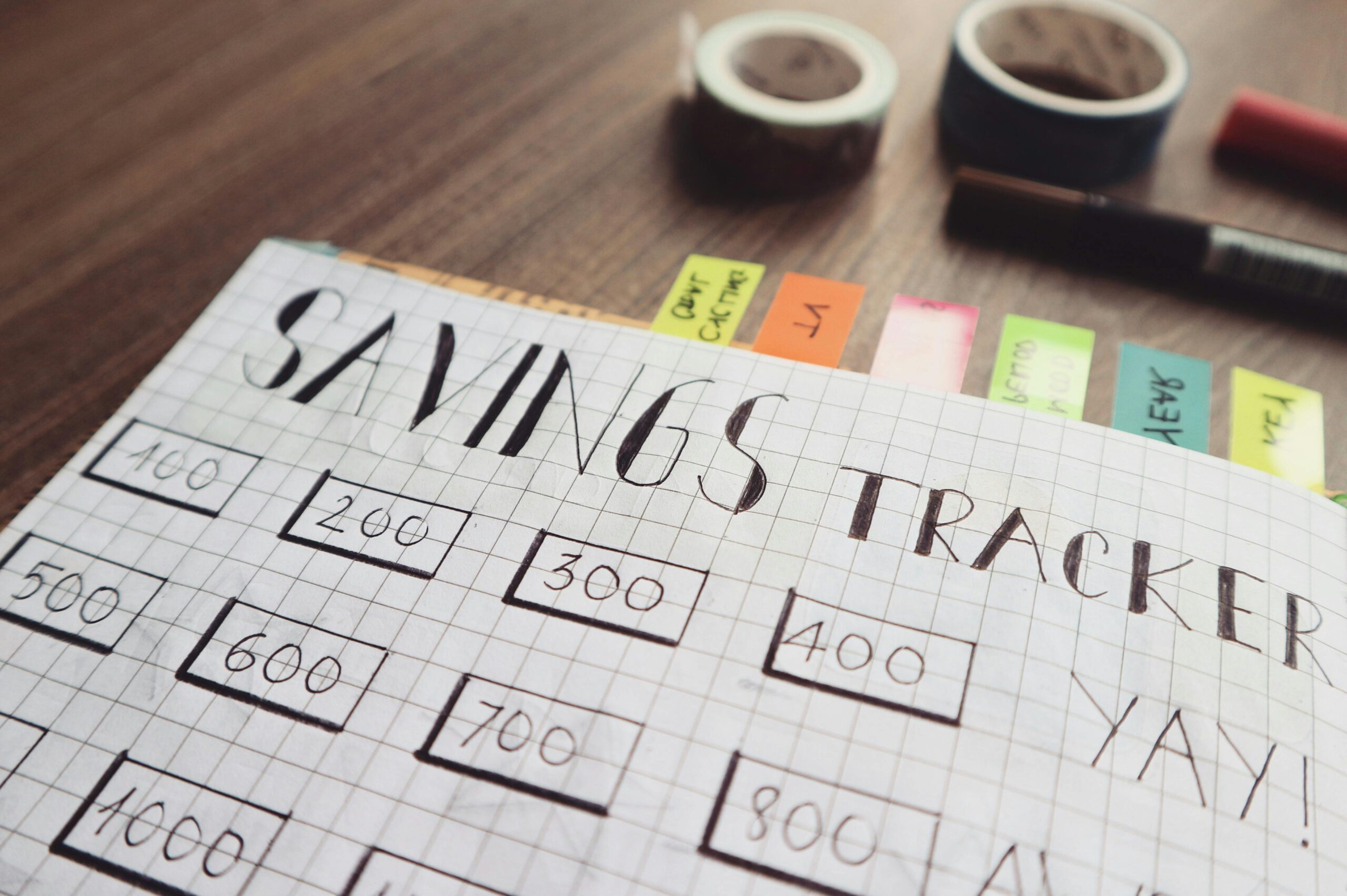
Include a progress tracker where you can record each deposit. Many people use a visual element like a thermometer chart or progress bar that fills in as you save. This provides instant gratification and keeps momentum strong.
Advanced Template Features for Serious Savers
Consider adding these elements to supercharge your template:
- A separate section for “extra” income sources dedicated to travel (bonuses, side hustles, cash gifts)
- Expense tracking to identify areas where you can cut back temporarily
- Milestone rewards to celebrate reaching 25%, 50%, and 75% of your goal
- A currency conversion tracker if traveling internationally
- A countdown calendar to maintain excitement and urgency
💰 Strategic Savings Methods That Actually Work
Having a template is essential, but filling it requires effective savings strategies. The most successful travel savers use multiple approaches simultaneously to accelerate their progress.
The Dedicated Travel Account Approach
Open a separate savings account exclusively for your travel fund. This physical separation creates a psychological barrier that prevents you from dipping into travel money for everyday expenses. Many banks offer high-yield savings accounts that earn more interest than standard accounts, letting your money grow faster.
Set up automatic transfers from your checking account to your travel savings immediately after each paycheck. Treating your travel fund like a bill you must pay ensures consistency. Even modest automatic transfers add up significantly over time.
The Challenge Method
Gamifying your savings keeps the process engaging rather than restrictive. Popular challenges include the 52-week challenge (saving an incrementally increasing amount each week), no-spend weekends (redirecting entertainment money to savings), or the round-up method (saving the difference when you round purchases up to the nearest dollar).
These challenges work because they introduce variety and small wins into the savings process. They also help identify spending patterns you might not have noticed otherwise.
📱 Digital Tools That Complement Your Planning Template
While templates provide structure, modern technology can automate and simplify the entire process. Several applications specifically designed for goal-based savings integrate seamlessly with traditional planning approaches.
Budgeting apps with goal-tracking features allow you to monitor your travel savings alongside your regular financial obligations. They provide real-time updates, send motivational reminders, and often include visual progress trackers that sync across devices.
Some banking apps offer virtual savings envelopes or goal-specific sub-accounts within your main account, making it easy to allocate funds without opening multiple accounts. These tools often include features like automatic savings rules that transfer money based on your spending patterns.
✂️ Cutting Costs Without Sacrificing Quality of Life
The fastest way to reach your travel savings goal is to increase the gap between income and expenses. However, extreme deprivation leads to burnout and abandoned goals. The key is finding sustainable reductions that don’t diminish your day-to-day happiness.
Smart Substitutions Over Total Elimination
Instead of eliminating categories entirely, look for lower-cost alternatives. Brew coffee at home instead of daily cafe visits, stream movies instead of going to theaters, or host potluck dinners instead of restaurant gatherings. These substitutions maintain the experiences you enjoy while redirecting funds to your travel goal.
Review subscription services ruthlessly. Most people have at least one or two subscriptions they rarely use. Canceling just two $15 monthly subscriptions frees up $360 annually toward travel.
Timing Your Major Purchases Strategically
Delay non-essential purchases until after your trip. That new gadget, furniture piece, or wardrobe update can probably wait six months. By postponing these expenses, you keep momentum strong and reach your goal faster.
Conversely, if you must make certain purchases during your savings period, look for ways to get paid for them. Cashback credit cards, shopping portals, and retailer rewards programs can generate small amounts that go directly into your travel fund.
🌟 Boosting Your Travel Fund with Additional Income
While reducing expenses accelerates savings, increasing income has unlimited potential. A multi-pronged approach combining spending reductions and income boosts delivers the fastest results.
Short-Term Side Hustles for Travel Funds
Consider temporary income streams specifically earmarked for travel. Freelancing skills you already have, selling unused items around your home, pet-sitting, or picking up seasonal work can generate substantial extra cash without long-term commitment.
The advantage of temporary side hustles is they have a clear endpoint. You’re not committing to permanently working extra hours—just until you’ve funded your trip. This time-bound approach makes the extra effort feel manageable.
Leveraging Tax Refunds and Windfalls
Commit to directing unexpected money directly to your travel fund. Tax refunds, work bonuses, cash gifts, and rebates should bypass your regular spending entirely. Since you weren’t counting on this money, you won’t miss it, and it can dramatically reduce your savings timeline.
🗓️ Timing Strategies for Maximum Value
When you travel matters almost as much as how much you save. Strategic timing can reduce costs by 30-50% for identical experiences, effectively multiplying the value of every dollar you save.
Understanding Shoulder Seasons
Shoulder seasons—the periods between peak and off-peak times—offer the best balance of good weather, smaller crowds, and reasonable prices. For most destinations, this means spring and fall. Your template should factor in these timing advantages when setting your travel dates.
Flexible travel dates give you leverage to capitalize on price fluctuations. If your template shows you’ll reach your savings goal by March but prices are 40% lower in April, adjusting your timeline by one month significantly increases what you can afford.
Booking Strategy Windows
Different travel components have optimal booking windows. Domestic flights typically offer best prices 1-3 months in advance, while international flights favor 2-6 months. Hotels often have better rates closer to travel dates, while vacation rentals and tour spots may require earlier booking for availability.
Include these booking timelines in your template so you know when to transition from saving to purchasing. Missing optimal booking windows can waste hundreds of dollars of carefully accumulated savings.
👥 Group Travel and Shared Savings Goals
Traveling with partners, friends, or family introduces additional planning complexity but also creates opportunities for shared resources and group savings motivation.
Create a shared template that tracks everyone’s contributions and maintains transparency. Group accountability often increases individual commitment—nobody wants to be the person holding everyone back. Regular check-ins keep all parties aligned and motivated.
Group travel also unlocks cost-sharing opportunities like vacation rentals instead of multiple hotel rooms, shared car rentals, and bulk activity bookings. These savings mean each person needs to save less individually while potentially upgrading the overall experience.
🔄 Adjusting Your Plan When Life Happens
Rigid plans break when circumstances change, so your template needs flexibility built in. Life will present obstacles—unexpected expenses, income changes, or shifting priorities—and your planning system should accommodate these without derailing your entire goal.
Build regular review checkpoints into your template—monthly is ideal. Assess whether your timeline remains realistic, if cost estimates need updating, or if your savings rate needs adjustment. Early course corrections prevent small issues from becoming major problems.
If you fall behind, resist the temptation to abandon the goal entirely. Instead, recalculate with your current numbers. Perhaps you extend your timeline by two months or slightly reduce certain budget categories. The template remains valuable even with adjustments.
✈️ From Savings to Booking: Making It Real
Reaching your savings goal triggers an exciting but critical phase—converting savings into actual travel arrangements. This transition requires careful execution to avoid losing money to poor decisions made in excitement.
Resist the urge to book everything immediately just because you’ve hit your target. Prices fluctuate, and patience often rewards you with better deals. Set alerts for your specific flights and accommodations, and be ready to book when prices dip.
Review your original budget estimates against current prices before booking. If costs have increased, you may need to adjust your plans or wait a bit longer. Conversely, if you find deals that bring costs under budget, you’ve created extra spending money for your trip or a head start on your next travel goal.
🎁 Maintaining Momentum for Future Adventures
Your first successfully planned and funded trip shouldn’t be your last. The systems and habits you’ve developed are valuable assets for future travel goals.
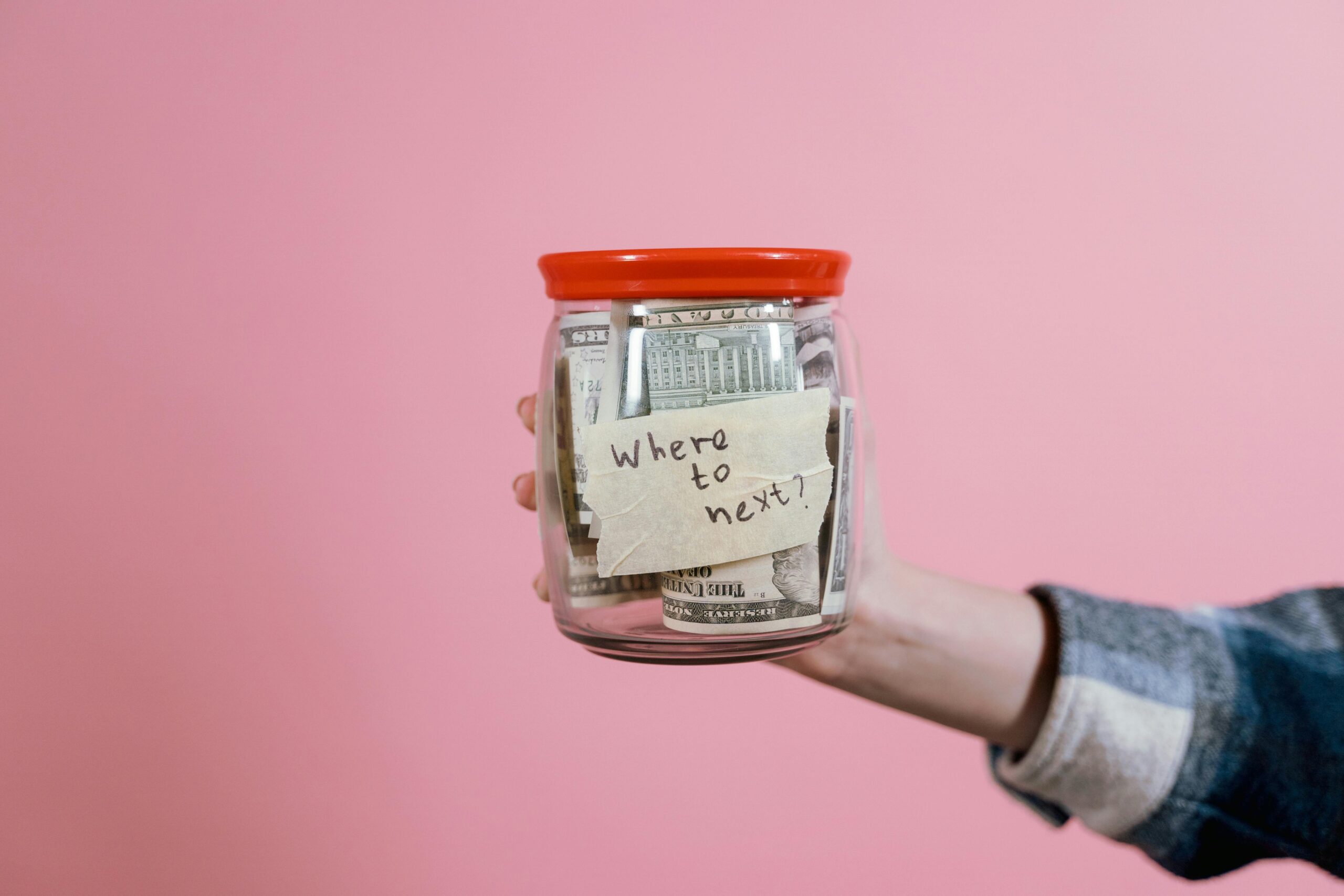
Keep your travel savings account open and continue small automatic transfers even after your trip. This creates a permanent travel fund that’s always growing, making future trips easier to plan. You’ll never start from zero again.
After returning from your trip, conduct a post-travel review. Compare actual expenses to your budget projections, identify what worked and what didn’t, and refine your template accordingly. Each iteration makes you a more effective planner and saver.
Consider creating a master travel planning binder or digital folder that houses all your templates, research, booking confirmations, and post-trip reviews. This resource becomes increasingly valuable with each journey, making subsequent planning faster and more efficient.
🚀 Turning Dreams into Departure Dates
The difference between people who dream about travel and those who actually go lies not in income levels but in planning and commitment. A well-designed goal planning template transforms vague wishes into concrete action steps, making what once seemed impossible entirely achievable.
Your dream getaway isn’t a question of “if” but “when.” By breaking the journey into manageable steps, tracking progress visibly, and maintaining flexibility when needed, you create a sustainable path from your current reality to that future adventure. The template is your roadmap, but your consistency and commitment are the fuel that gets you there.
Start today with whatever numbers reflect your current situation. Download or create your template, fill in your destination and target dates, calculate your required savings rate, and make your first deposit. Each small action compounds into the extraordinary experience of standing in that dream destination, knowing you made it happen through intentional planning and disciplined execution.
The world is waiting, and with the ultimate goal planning template in hand, nothing stands between you and your perfect getaway except the time it takes to save. That time will pass regardless—you might as well use it to fund something incredible.