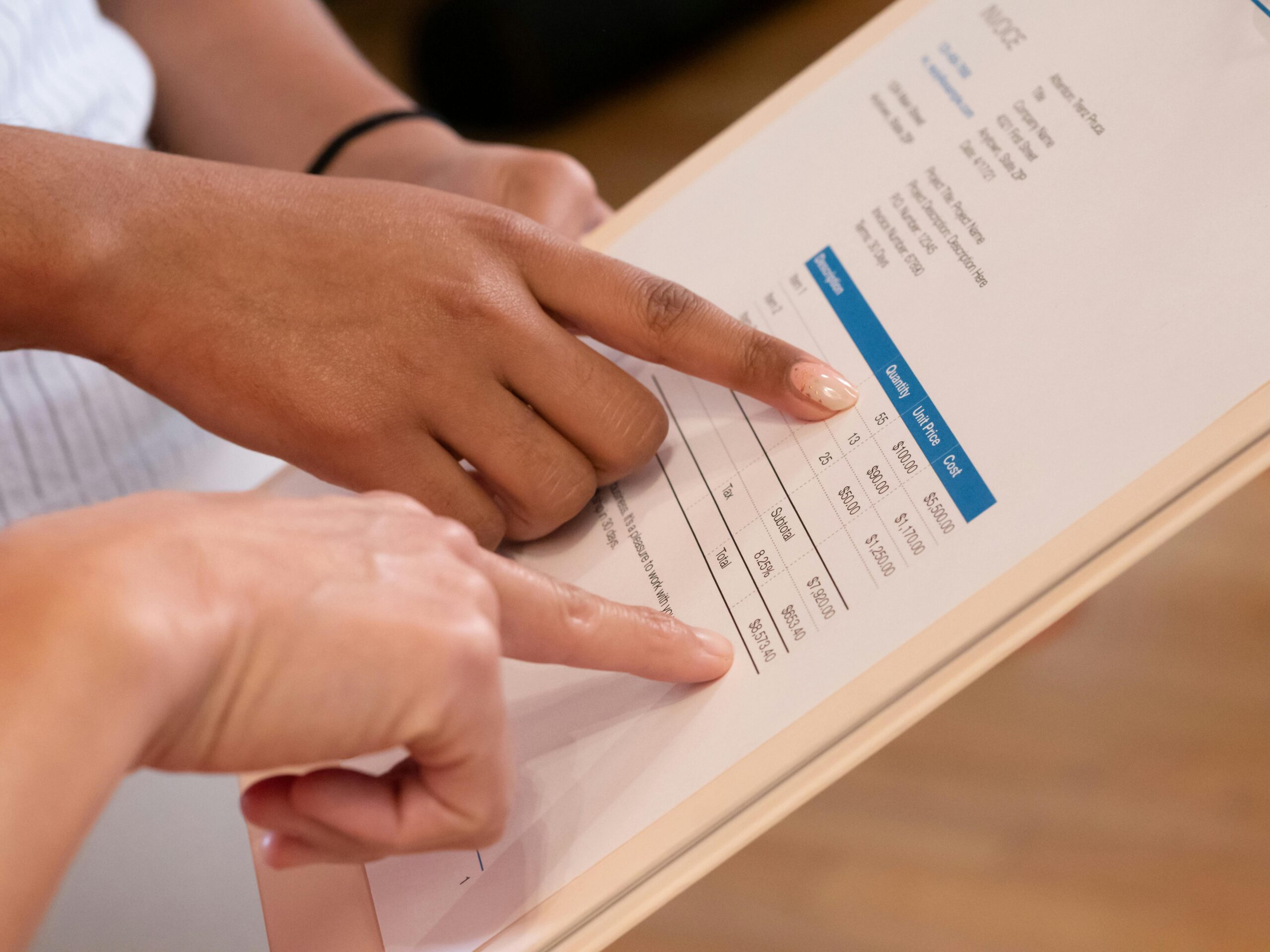
Every family dreams of a brighter future, but turning those dreams into reality requires more than wishful thinking. Goal-planning transforms aspirations into achievable milestones, creating a roadmap that brings everyone together toward shared success.

In today’s fast-paced world, families often find themselves pulled in different directions, with individual schedules and priorities creating disconnection rather than unity. The secret to maintaining harmony while pursuing ambitious goals lies in structured planning that honors each family member’s dreams while building collective momentum. A comprehensive goal-planning template serves as the foundation for this transformative journey, providing clarity, accountability, and celebration points along the way.
🎯 Why Family Goal-Planning Changes Everything
When families plan goals together, something magical happens. Children learn the value of setting objectives and working systematically toward them. Parents model persistence and strategic thinking. The entire household becomes a support system where everyone cheers for each other’s victories, no matter how small.
Research consistently shows that families who set goals together experience higher levels of satisfaction, better communication, and stronger bonds. This collaborative approach teaches children essential life skills including time management, prioritization, and resilience when facing obstacles. More importantly, it creates shared memories and experiences that define family identity for generations.
Traditional goal-setting often fails because it remains abstract or individualistic. Family goal-planning succeeds because it creates accountability through connection. When your daughter knows that dad is working toward his fitness goal while she pursues her academic achievements, mutual encouragement becomes natural. The family unit transforms into a powerful achievement ecosystem.
Building Your Foundation: Core Elements of Successful Family Goals
Before diving into templates and tracking systems, understanding the fundamental principles of effective family goal-planning ensures lasting success. Not all goals are created equal, and family dynamics require special consideration that individual planning doesn’t address.
The SMART Framework Adapted for Families
The classic SMART goal framework—Specific, Measurable, Achievable, Relevant, and Time-bound—needs adjustment for family contexts. Specificity must account for multiple participants with varying capabilities. Measurability should celebrate progress at different levels. Achievability requires honest assessment of family schedules and resources. Relevance means alignment with family values, not just individual desires. Time-bound deadlines need flexibility for life’s unexpected moments.
For example, instead of “get healthier,” a family SMART goal becomes: “Complete three 30-minute family walks each week for the next three months, with each family member choosing the route once weekly.” This version includes everyone, provides clear measurement, sets realistic frequency, connects to family bonding, and establishes a defined timeframe.
Balancing Individual and Collective Dreams
Effective family goal templates incorporate both shared objectives and personal ambitions. A comprehensive plan might include family vacation savings goals alongside dad’s professional certification, mom’s business launch, and children’s academic or athletic pursuits. The template should visually demonstrate how individual achievements contribute to overall family success.
This balance prevents resentment and teaches that supporting others’ dreams strengthens the entire family. Children who see parents actively pursuing goals while encouraging their own aspirations develop healthier attitudes toward ambition and mutual support.
📋 Creating Your Ultimate Family Goal-Planning Template
The most effective family goal template combines simplicity with comprehensive tracking capabilities. Overly complex systems create frustration and abandonment, while oversimplified approaches fail to capture the nuances of family dynamics. The ideal template strikes this balance perfectly.
Essential Sections Your Template Must Include
A well-designed family goal template should contain several key components that work together seamlessly. The vision statement section captures your family’s overarching purpose and values, providing context for all specific goals. This might be a single sentence or short paragraph that everyone helped craft, serving as a North Star when decisions become difficult.
The goal categories section organizes objectives into logical groupings such as financial, health and wellness, education and learning, relationships and bonding, home and environment, and fun and adventure. This categorization ensures balanced attention across all life dimensions rather than overemphasis on one area.
Each goal entry should include the specific objective, the family members involved, the target completion date, required resources, action steps with assigned responsibilities, progress tracking method, and celebration plan for achievement. This comprehensive approach transforms vague wishes into concrete projects.
Visual Elements That Drive Engagement
Visual design dramatically impacts template effectiveness, especially for children who respond better to colorful, engaging formats. Consider incorporating progress bars, star rating systems, or thermometer-style trackers that show advancement toward goals. Color coding by family member or goal category adds clarity and makes scanning progress effortless.
Photography opportunities should be built into the template. Visual documentation of goal progress creates powerful motivation and builds a portfolio of family achievements. These photos become treasured memories that reinforce the value of collaborative effort and persistence.
💡 Strategic Goal-Setting Sessions That Actually Work
Creating the template is only the beginning. The real transformation happens during dedicated goal-setting sessions where families align their dreams and commit to supporting each other. These gatherings should feel special, not like boring meetings that everyone dreads.
Preparing for Maximum Participation
Schedule your family goal-planning session at least two weeks in advance, marking it on everyone’s calendar with the same importance as major holidays. Choose a comfortable, distraction-free environment—perhaps a favorite room with snacks, or even a special outdoor location if weather permits. Eliminate digital distractions by establishing a no-phones policy during the session.
Before the meeting, ask each family member to reflect independently on what they’d like to achieve personally and what they hope for the family as a whole. Younger children might draw pictures of their dreams while older kids and adults can journal their thoughts. This preparation ensures everyone arrives ready to contribute meaningfully.
Facilitation Techniques for All Ages
Begin with appreciation sharing, where each person acknowledges something another family member accomplished recently. This positive opening creates psychological safety for vulnerable goal-sharing. Use a talking stick or special object that grants speaking privileges, ensuring everyone gets uninterrupted time to share dreams.
For families with young children, incorporate play elements like rolling dice to determine who shares next, or using stuffed animals as “dream ambassadors” that help shy children articulate their goals. Teenagers often respond better to written submissions followed by discussion rather than putting them on the spot verbally.
When conflicts arise between competing goals or limited resources, use voting systems or priority matrices rather than parental decree. Children who participate in these decision-making processes develop critical thinking skills and accept outcomes more graciously because they understood the reasoning.
🚀 Implementation Strategies for Sustained Success
The graveyard of abandoned goals is filled with excellent plans that lacked consistent execution systems. Implementation separates families who dream from families who achieve. Your template becomes powerful only when paired with sustainable habits that keep goals front-of-mind.
Weekly Family Check-Ins
Establish a sacred weekly time—perhaps Sunday evenings or Friday dinners—for 15-20 minute goal reviews. These brief sessions maintain momentum without becoming burdensome. Each family member shares one progress item, one challenge they’re facing, and one way they supported another family member’s goal that week.
Keep these check-ins positive and solution-focused. When someone reports lack of progress, respond with curiosity rather than criticism. Questions like “What got in the way this week?” or “How can we adjust to make this more achievable?” maintain psychological safety while encouraging problem-solving.
Environmental Design for Goal Achievement
Your physical environment should constantly reinforce family goals. Create a prominent goal display in a high-traffic area like the kitchen or family room. This might be a beautifully designed poster, a bulletin board with photos and progress updates, or even a digital display that cycles through current objectives.
Strategic placement of relevant tools and resources removes friction from goal pursuit. If family fitness is a goal, keep workout equipment visible and accessible. For reading goals, create cozy reading nooks with good lighting and comfortable seating. For financial goals, maintain a visible savings tracker that everyone can see filling up.
📱 Digital Tools That Enhance Family Goal-Planning
While paper templates work beautifully for many families, digital solutions offer advantages including automated reminders, easy updates from anywhere, and engaging visual progress tracking. The key is choosing tools that enhance rather than complicate your planning process.
Collaborative Planning Applications
Several applications specifically support family goal-planning with features designed for multiple users at different skill levels. These platforms typically offer shared access, customizable goal categories, progress tracking with charts and graphs, reminder systems, and achievement celebrations with digital rewards or badges.
When selecting digital tools, involve the entire family in testing options during a trial period. The best application is the one everyone actually uses consistently, not necessarily the one with the most features. Prioritize intuitive interfaces, especially if younger children will interact with the system independently.
Hybrid Approaches for Maximum Effectiveness
Many successful families combine digital and physical tracking methods. Digital tools excel at reminders, data storage, and detailed tracking, while physical displays provide constant visual reinforcement and tactile satisfaction when marking progress. A hybrid system might use an app for day-to-day tracking with a beautiful wall chart for family visibility and celebration.
The physical component becomes especially important for families with young children who benefit from tangible goal representations they can touch and update personally. The act of placing a sticker on a chart or coloring in a progress section creates stronger neural connections than simply tapping a screen.
🎉 Celebration Rituals That Reinforce Success
Goal achievement deserves recognition proportional to the effort invested. Celebration rituals transform accomplishments into treasured family memories while reinforcing the behaviors that led to success. These moments teach children that hard work pays off and that family celebrates together.
Milestone Celebrations Throughout the Journey
Don’t wait until final goal achievement to celebrate. Break larger objectives into milestones with mini-celebrations at each checkpoint. If the family goal is saving for a vacation, celebrate when reaching 25%, 50%, and 75% of the target amount with special dinners or small outings that cost far less than the progress represents.
These incremental celebrations maintain motivation during long-term pursuits and teach patience and persistence. Children especially benefit from frequent positive reinforcement rather than delayed gratification over extended periods. The celebrations themselves become part of the goal journey’s appeal.
Personalized Recognition Methods
Different family members value different forms of recognition. Some thrive on public acknowledgment and verbal praise, while others prefer tangible rewards or quality time. Your goal template should include notes about each person’s preferred celebration style, ensuring recognition feels meaningful rather than obligatory.
Create family traditions around goal achievements such as the “achievement dinner” where the successful person chooses the menu and receives a special plate or crown, photo documentation added to a family achievement album, or the “goal bell” that gets rung whenever anyone reaches a milestone. These rituals create anticipation and strengthen family identity.
Navigating Obstacles Without Losing Momentum
Every family encounters setbacks, schedule disruptions, and unexpected challenges that threaten goal progress. The difference between families who achieve their dreams and those who don’t lies not in avoiding obstacles but in how they respond when difficulties arise.
Building Resilience Through Flexible Planning
Your goal-planning template should include a section for obstacle anticipation and contingency planning. During initial goal-setting, ask “What might prevent us from achieving this?” and brainstorm solutions in advance. This proactive approach reduces panic when challenges actually occur because the family already has response strategies ready.
Teach the concept of goal adjustment rather than goal abandonment. When circumstances change dramatically—illness, job loss, relocation—gather the family to thoughtfully revise goals rather than silently letting them die. This models adaptive thinking and demonstrates that persistence doesn’t mean rigid inflexibility.
Learning from Goals That Don’t Work Out
Not every goal will be achieved, and that’s not failure—it’s information. Conduct “goal retrospectives” for objectives that didn’t pan out, discussing what was learned, what would be done differently, and whether the goal still matters enough to retry with modifications. This process removes shame from unmet goals and reinforces that effort and learning matter more than perfect outcomes.
Share stories of famous failures that preceded eventual success, helping children understand that setbacks are normal parts of achievement journeys. Create a family narrative that celebrates “intelligent attempts” and “useful failures” as much as conventional successes. This mindset protects against perfectionism and fear of trying.
Evolving Your Family Goal System Over Time
As children grow and family circumstances change, your goal-planning system must evolve. What worked when kids were in elementary school may feel juvenile to teenagers. New family structures from marriages, divorces, or blended families require template adaptations that honor everyone’s place in the system.
Annual Goal-Planning Retreats
Consider establishing an annual tradition where the family dedicates extended time—perhaps a weekend getaway or special day trip—to comprehensive goal review and planning for the coming year. This expanded version of your regular planning sessions allows deeper reflection on family direction, values clarification, and relationship strengthening alongside practical goal-setting.
These retreats create anticipation and signal that family goal-planning deserves significant time and attention. The change of environment often sparks creativity and bigger thinking than home-based sessions allow. The investment in this annual tradition pays dividends in family cohesion and achievement momentum.
Transferring Skills to the Next Generation
As children mature into adolescence and young adulthood, explicitly teach them to create personal goal-planning systems based on the family template they’ve used for years. Provide blank templates and facilitate their first independent goal-setting sessions, gradually releasing responsibility while remaining available for guidance.
This intentional skill transfer represents one of parenting’s greatest gifts—equipping children with proven systems for directing their own lives. Young adults who leave home with established goal-planning habits possess tremendous advantages in education, career, relationships, and personal fulfillment.

Transform Dreams Into Reality Starting Today
The journey from scattered individual efforts to coordinated family achievement begins with a single decision—the commitment to plan together. Your family’s unique goals, circumstances, and dynamics will shape how you use goal-planning templates, but the fundamental principles remain constant across all successful families.
Start small if the concept feels overwhelming. Choose one simple family goal and one personal goal for each family member. Use a basic template on paper or a shared document. Schedule your first weekly check-in. These modest beginnings create momentum that naturally expands as the family experiences early wins and builds confidence in the system.
Remember that the template itself matters less than the consistent conversations, mutual support, and shared celebrations it facilitates. Perfection in planning is far less important than persistence in practicing. Your family’s goal-planning journey will be messy, require adjustments, and include setbacks—and still transform how you dream and achieve together.
The families who look back years from now with amazement at what they accomplished together aren’t necessarily the most talented or advantaged. They’re the families who decided their dreams mattered enough to plan, who supported each other through challenges, and who celebrated every step of the journey. Your family can be one of them, starting with the simple act of filling out your first goal-planning template together. The dreams you pursue as a family become the legacy you leave—make it extraordinary! ✨