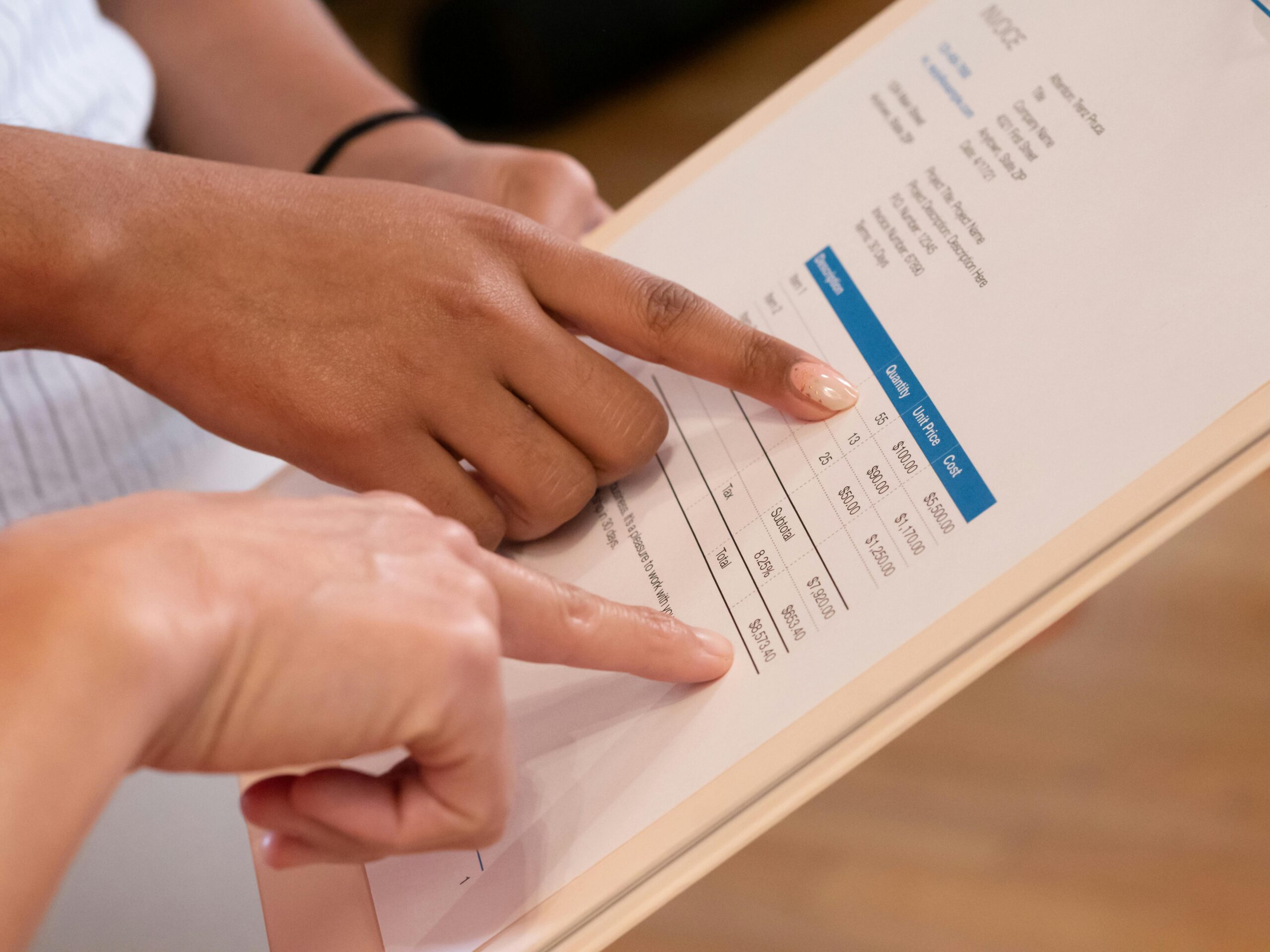
Money is one of the most common sources of conflict in relationships, yet it doesn’t have to be a battleground. When couples master the art of discretionary spending together, they create harmony, trust, and financial security that strengthens their bond.

Understanding how to navigate personal purchases while maintaining shared financial goals requires intentional communication, clear boundaries, and mutual respect. The journey toward money harmony begins with recognizing that both partners deserve autonomy while honoring collective responsibilities and dreams.
💰 Why Discretionary Spending Causes Relationship Tension
Discretionary spending represents the purchases we make beyond essential expenses like housing, utilities, and groceries. This includes dining out, entertainment, hobbies, clothing beyond basics, and personal luxuries. These expenditures often trigger conflict because they reflect individual values, priorities, and definitions of necessity versus luxury.
When one partner views a purchase as essential while the other sees it as frivolous, resentment builds. Perhaps one person grew up in scarcity and saves compulsively, while the other experienced abundance and spends freely. These different money scripts—the unconscious beliefs we hold about finances—create friction when left unaddressed.
The emotional component of spending cannot be overlooked. Money represents security, freedom, status, and self-worth for many people. A criticism about spending can feel like a personal attack, triggering defensiveness rather than productive conversation. This is why establishing ground rules before conflicts arise becomes absolutely essential for relationship health.
🤝 Establishing Your Discretionary Spending Framework
The foundation of money harmony lies in creating a system that works for your unique relationship. There is no one-size-fits-all approach, but successful couples typically establish clear parameters that respect both autonomy and partnership.
The “No Questions Asked” Threshold
One of the most effective strategies involves setting a dollar amount below which neither partner needs to consult the other. This threshold varies dramatically based on income, debt levels, and financial goals, but might range from $50 to $500 or more for high-income households.
This approach accomplishes several objectives simultaneously. It preserves individual autonomy and prevents the feeling of being controlled or monitored. It eliminates the need for permission on small purchases, reducing friction and micromanagement. Most importantly, it demonstrates trust—a foundational element of healthy relationships.
The key is choosing a threshold that feels comfortable for both partners. If one person experiences anxiety when the other spends $100 without discussion, that number is too high. Conversely, if requiring approval for every $20 purchase feels suffocating, the threshold is too low. This number should be revisited annually or whenever financial circumstances change significantly.
Proportional Personal Allowances
Many financial experts recommend that couples with joint finances allocate “personal spending money” to each partner. This discretionary fund belongs entirely to the individual, who can spend it guilt-free on anything they choose without explanation or justification.
The amount can be equal for both partners or proportional to income if earnings differ significantly. Some couples prefer equal amounts to emphasize partnership equality, while others find proportional allowances more equitable when income disparities exist. The critical factor is that both partners genuinely agree on the approach rather than one imposing it on the other.
These personal funds might be kept in separate accounts to maintain clear boundaries. When the money is truly separate, spending decisions become individual rather than joint, eliminating a major source of potential conflict while maintaining overall financial transparency.
📊 Creating a Balanced Budget Together
Before discretionary spending can be addressed effectively, couples need a comprehensive view of their total financial picture. This means tracking income, fixed expenses, variable costs, savings goals, and debt repayment plans.
Start by categorizing all expenses into essential and discretionary buckets. Essential expenses include housing, transportation, insurance, minimum debt payments, utilities, and basic groceries. Discretionary spending encompasses everything else—the flexible categories where spending decisions reflect personal choices rather than necessities.
A useful framework follows the 50/30/20 guideline: allocate 50% of income to needs, 30% to wants (discretionary spending), and 20% to savings and debt repayment beyond minimums. These percentages can be adjusted based on your situation, but they provide a starting point for conversations about how much discretionary spending your relationship can comfortably accommodate.
Budgeting apps can dramatically simplify this process by automatically categorizing transactions and providing visual representations of spending patterns. These tools reduce the manual effort required while increasing awareness of where money actually goes versus where partners think it goes.
🗣️ Communication Strategies That Prevent Money Conflicts
The most sophisticated budgeting system fails without effective communication. Money conversations should happen regularly, calmly, and with genuine curiosity about your partner’s perspective rather than judgment.
Schedule Regular Money Meetings
Establish a recurring time—monthly or quarterly—to review finances together. These sessions should happen when both partners are relaxed, not rushed or stressed. During these meetings, review spending from the previous period, discuss upcoming expenses, assess progress toward financial goals, and address any concerns before they become resentments.
Frame these conversations as collaborative problem-solving rather than interrogations. The tone should be “us against the problem” rather than “you versus me.” This mindset shift transforms potentially contentious discussions into opportunities for partnership strengthening.
Understand Each Other’s Money History
Take time to explore how each partner was raised around money. What messages did you receive about spending, saving, and financial security? Were resources abundant or scarce? Did your family discuss money openly or treat it as taboo? These formative experiences shape current financial behaviors and anxieties.
When you understand that your partner’s reluctance to spend stems from childhood food insecurity, their behavior becomes comprehensible rather than irrational. Similarly, when your partner recognizes that your spending represents hard-earned freedom from a controlling previous relationship, they may approach the conversation with more empathy.
Distinguish Between Values and Judgments
Instead of saying “You waste money on stupid things,” try “I’m feeling anxious about our savings rate and would like to discuss our priorities.” This reframing removes accusation and opens dialogue. It expresses your feelings and needs without attacking your partner’s character or choices.
Remember that different spending priorities don’t make one person right and the other wrong. You might value experiences like travel and dining out, while your partner prioritizes physical possessions or saving for future security. Neither approach is inherently superior—they’re simply different, and relationships thrive when differences are respected rather than condemned.
🎯 Aligning Discretionary Spending with Shared Goals
Money harmony doesn’t mean identical financial values; it means aligned goals despite different approaches. Couples who successfully navigate discretionary spending typically share overarching objectives even when their individual spending habits differ.
Begin by identifying your shared financial dreams. Do you want to buy a home together? Retire early? Travel extensively? Build a college fund for children? Fund a business venture? These aspirations provide motivation to moderate discretionary spending when necessary and context for financial decisions.
Create a visual representation of these goals—perhaps a vision board or progress chart. When tempted by discretionary purchases that might derail progress, the visual reminder helps both partners stay accountable to shared dreams rather than feeling restricted by arbitrary rules.
Consider implementing a hierarchy system where goals are prioritized. Perhaps emergency fund completion comes first, followed by retirement savings, then a home down payment, with vacation funds last. This clarity prevents arguments about whether money should go toward one person’s priority or another’s—the system decides based on predetermined agreements.
⚖️ Balancing Autonomy and Accountability
One of the most delicate aspects of managing discretionary spending involves preserving individual freedom while maintaining financial accountability to the partnership. Too much control breeds resentment; too little coordination creates chaos.
Recognize Different Risk Tolerances
Some people are natural spenders who view money as a tool for present enjoyment, while others are natural savers who prioritize future security. Neither orientation is wrong, but extremes on either end can create problems. The spender needs some present enjoyment to feel life is worthwhile; the saver needs some security building to feel safe.
The solution often involves compromise where both partners move toward the middle. The spender might agree to limit certain categories or implement waiting periods before purchases. The saver might commit to spending on agreed-upon experiences without guilt or calculation. This mutual adjustment demonstrates respect for each other’s psychological needs.
Implement Transparency Without Surveillance
Healthy financial partnerships include transparency—both partners should know the overall financial picture, including assets, debts, income, and spending patterns. This doesn’t mean monitoring every transaction or requiring receipts for every purchase, which creates a parent-child dynamic rather than an adult partnership.
Shared access to accounts and credit cards allows either partner to review spending if desired, but the relationship works best when this access represents potential oversight rather than constant surveillance. Trust that your partner will honor agreements unless evidence suggests otherwise, rather than assuming bad faith from the beginning.
🚨 Addressing Problematic Spending Patterns
Sometimes discretionary spending crosses from reasonable into problematic territory. Shopping addiction, compulsive spending, hiding purchases, or using spending to cope with emotional distress require different interventions than simple budgeting conversations.
Warning signs of problematic spending include consistently spending beyond agreed limits, secretive behavior around purchases, defensive or angry reactions to reasonable questions, shopping to manage negative emotions, continued spending despite mounting debt, and inability to stop despite expressed desire to change.
If these patterns emerge, approach your partner with concern rather than criticism. Express how the behavior affects you using “I” statements: “I feel anxious when purchases appear that we haven’t discussed” rather than “You’re irresponsible with money.” Suggest professional help from a financial therapist who specializes in the psychological aspects of money management.
Sometimes problematic spending reflects deeper relationship issues—feeling undervalued, seeking autonomy in an overly controlling relationship, or expressing anger through financial sabotage. In these cases, couples counseling that addresses the underlying dynamics proves more effective than budgeting strategies alone.
🎁 Special Circumstances: Gifts, Windfalls, and Life Changes
Standard discretionary spending rules may need adjustment during special circumstances. Establish in advance how you’ll handle these situations to prevent conflict when they arise.
Gift Giving Within the Relationship
Should there be limits on gifts between partners? Some couples set maximum amounts for birthdays and holidays to prevent competitive gifting or financial strain. Others prefer complete freedom for gift-giving, viewing it as an expression of love that shouldn’t be constrained by arbitrary limits.
The key is ensuring both partners share the same expectations. Mismatched gift-giving can create awkwardness—one person spends $50 while the other spends $500, leaving both feeling uncomfortable. Discussing general parameters in advance prevents this scenario while still allowing for surprises and thoughtfulness.
Handling Financial Windfalls
When bonuses, tax refunds, inheritance, or other unexpected money arrives, have a predetermined plan for allocation. Perhaps 50% goes to financial goals, 25% to each partner’s discretionary spending. Or maybe windfalls are split differently than regular income, with a larger percentage toward debt elimination or major purchases.
Making these decisions during calm times prevents emotionally charged arguments when money actually arrives. It also ensures both partners feel the windfall improves their lives rather than simply disappearing into general expenses without noticeable impact.
Adjusting for Major Life Transitions
Job loss, health crises, new children, career changes, and other major life events require budget recalibration. During high-earning periods, discretionary spending might expand; during financial stress, it must contract. Build flexibility into your system so these adjustments feel like natural responses rather than punishments.
Temporary austerity during difficult periods feels more manageable when both partners understand it’s situational rather than permanent. Similarly, enjoying increased spending during abundant periods creates positive shared experiences that strengthen the relationship.
💡 Practical Systems for Daily Implementation
Theory matters, but practical systems determine whether good intentions translate into sustainable habits. Implement structures that make appropriate discretionary spending the easy default rather than requiring constant willpower.
The Three-Account System
Many successful couples utilize three checking accounts: one joint account for shared expenses, plus individual accounts for personal discretionary spending. Each paycheck is divided among these accounts according to predetermined percentages, automating the allocation process.
This system provides clarity—money in the joint account serves shared purposes, while money in personal accounts can be spent guilt-free. It eliminates debates about whether a particular purchase is personal or shared, since the account it comes from determines the answer.
The Waiting Period Strategy
For purchases above a certain threshold, implement a mandatory waiting period—perhaps 24 hours for items under $500, a week for items under $1,000, and a month for larger purchases. This cooling-off period allows time to consider whether the purchase aligns with values and priorities or represents impulse driven by temporary emotion.
Surprisingly often, the desire for an item fades during the waiting period, revealing it wasn’t truly important. When desire remains strong after reflection, the purchase happens with confidence rather than potential regret.
Track Spending Without Obsessing
Awareness of spending patterns helps partners make informed choices without descending into obsessive tracking that drains joy from life. Using automation tools that categorize spending and send weekly summaries provides sufficient awareness without requiring constant attention.
Review these summaries during regular money meetings rather than scrutinizing every transaction immediately. This approach maintains transparency while preventing the exhausting micromanagement that erodes relationship quality.
🌱 Growing Together Financially
The ultimate goal isn’t perfect adherence to a budget system—it’s developing financial compatibility that deepens over time. Couples who master money harmony report that their relationship strengthens as they navigate this vulnerable area successfully.
Financial discussions become easier with practice. The first conversations about discretionary spending often feel awkward, tense, or threatening. Over time, as trust builds and partners demonstrate reliability, these discussions become routine rather than emotionally charged.
Celebrate financial milestones together—paying off debt, reaching savings goals, successfully staying within discretionary spending limits for a quarter. These celebrations reinforce that you’re partners working toward shared success rather than adversaries fighting over limited resources.
Recognize that perfect agreement on every financial matter is neither possible nor necessary. Successful couples don’t share identical money values; they create systems that respect their differences while maintaining overall alignment. They choose connection over being right, partnership over individual preferences when conflicts arise.

🔐 Building a Foundation of Financial Intimacy
Money harmony ultimately represents a form of intimacy—the willingness to be vulnerable about fears, hopes, mistakes, and dreams related to finances. Couples who achieve this level of openness report greater overall relationship satisfaction, even beyond financial matters.
Financial intimacy means admitting when you’ve overspent, sharing anxieties about money, revealing past financial mistakes, and trusting your partner with information that feels exposing. This vulnerability strengthens bonds when met with compassion rather than judgment.
Create a judgment-free zone for money discussions where honesty is more important than perfection. When partners feel safe admitting struggles, problems get addressed early rather than hidden until they become crises. This safety transforms money from a relationship liability into an opportunity for deeper connection.
Remember that mastering discretionary spending isn’t about restriction—it’s about intention. When spending aligns with shared values and individual authenticity, it enhances life rather than creating stress. The rules you establish together should increase freedom within structure, providing clarity that allows both partners to spend confidently within agreed parameters.
The journey toward money harmony is ongoing rather than a destination reached and completed. Financial circumstances change, priorities evolve, and partners grow. The systems you create should adapt accordingly, with regular check-ins ensuring that agreements still serve the relationship rather than constraining it unnecessarily.
Ultimately, couples who successfully navigate discretionary spending discover that money becomes a tool for building the life they envision together rather than a source of chronic conflict. This transformation requires commitment, communication, and compassion—but the reward is a partnership strengthened by successfully navigating one of life’s most challenging areas together. When you master money harmony, you create not just financial security but relational resilience that serves you throughout your shared journey.