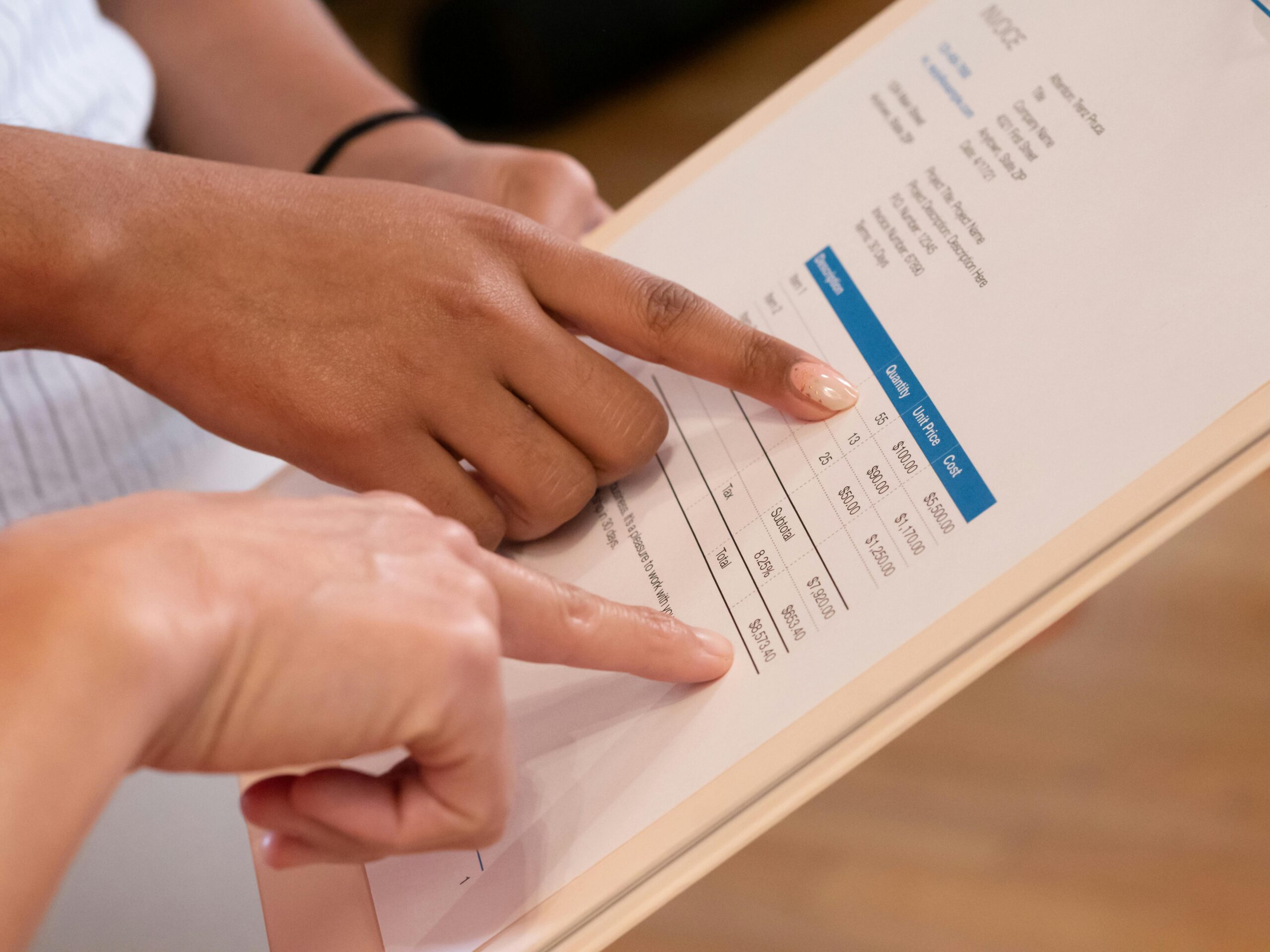
Splitting shared expenses doesn’t have to be a source of tension. When handled with clarity and fairness, managing money together can actually strengthen your relationships and bring peace of mind to your finances.

Whether you’re living with roommates, sharing costs with a partner, planning group trips with friends, or managing family expenses, the way you handle shared money matters profoundly impacts both your wallet and your wellbeing. The good news? With the right approach and a few simple rules, you can transform expense splitting from a potential minefield into a smooth, stress-free process that everyone appreciates.
💰 Why Splitting Expenses Properly Matters More Than You Think
Money is consistently ranked as one of the top sources of conflict in relationships of all kinds. From romantic partnerships to friendships and family dynamics, disagreements about who owes what can create resentment, erode trust, and damage even the strongest bonds.
The challenge isn’t usually about the actual amounts involved. Rather, it’s about perception, fairness, and communication. When one person feels they’re paying more than their share, or when expectations aren’t clearly communicated, small financial irritations can snowball into major relationship problems.
Mastering the art of splitting expenses brings multiple benefits beyond just keeping your budget organized. It demonstrates respect for others’ financial situations, builds trust through transparency, prevents awkward conversations and assumptions, reduces stress for everyone involved, and creates a foundation for healthier long-term relationships.
🎯 Establishing Clear Expectations From the Start
The foundation of stress-free expense splitting is setting clear expectations before any money changes hands. This might feel uncomfortable at first, especially in new relationships or friendships, but addressing financial arrangements early prevents much bigger discomfort later.
Start by having an honest conversation about everyone’s financial situation and comfort levels. Not everyone needs to disclose their exact income, but understanding general boundaries helps. Some people are comfortable splitting everything equally, while others prefer proportional arrangements based on income differences.
Creating Your Shared Expense Agreement
For ongoing shared living situations, consider creating a simple written agreement that outlines how you’ll handle different expense categories. This doesn’t need to be a formal legal document, just a clear reference point everyone can revisit.
Your agreement should address these key areas: which expenses will be shared and which remain individual, the method for splitting costs (equal, proportional, or by usage), payment timing and methods, how to handle unexpected expenses, and the process for reviewing and adjusting the arrangement.
📊 Different Splitting Methods for Different Situations
There’s no one-size-fits-all approach to splitting expenses. The best method depends on your specific situation, relationship type, and what feels fair to everyone involved.
The Equal Split Method
This straightforward approach works well when all parties have similar incomes and benefit equally from shared expenses. Everything is divided evenly, regardless of who initially paid. It’s simple, transparent, and requires minimal calculation.
The equal split method is ideal for roommate situations with similar room sizes, short-term group trips or dinners, casual friendships without significant income disparities, and situations where simplicity is the top priority.
The Proportional Split Method
When income levels vary significantly, proportional splitting can feel more equitable. Each person contributes based on their income percentage relative to the total household or group income.
For example, if Partner A earns $60,000 annually and Partner B earns $40,000, their combined income is $100,000. Partner A would cover 60% of shared expenses while Partner B covers 40%. This approach respects different financial capacities while maintaining shared responsibility.
The Usage-Based Split Method
Some expenses make more sense to split based on actual usage rather than equal division. Utility bills, streaming services with different users, or groceries when eating habits vary significantly might fall into this category.
This method requires more tracking but can prevent resentment when consumption patterns differ dramatically. The person who takes three hot showers daily might reasonably pay more toward the water bill than someone who’s rarely home.
🏠 Managing Household Expenses Like a Pro
For those sharing living spaces, household expenses typically form the bulk of shared costs. Creating a system that handles rent, utilities, groceries, and household supplies efficiently is essential for maintaining harmony.
Start by categorizing your household expenses into fixed costs like rent and insurance, variable costs like utilities and groceries, and occasional costs like household repairs or furniture. Each category might benefit from different handling approaches.
The Joint Account Strategy
Many cohabiting couples and some roommate groups find success with a dedicated joint account for shared expenses. Each person contributes their agreed-upon amount monthly, and all household bills are paid from this account.
This approach creates clear separation between personal and shared finances while simplifying payment logistics. You’ll always know exactly what’s available for household needs without mixing it with individual spending money.
The Rotating Payment System
Alternatively, you might designate one person to handle each major bill, with everyone owing that person their share. This works when you have a reliable tracking system and all parties are comfortable fronting money temporarily.
The key is maintaining accurate records and settling up regularly, typically monthly, to prevent anyone from carrying too much of the financial burden for extended periods.
📱 Leveraging Technology for Effortless Tracking
Gone are the days of complicated spreadsheets and awkward money conversations. Modern expense-splitting apps have revolutionized how we manage shared costs, making tracking automatic, calculations instant, and settlements seamless.
Apps like Splitwise have become essential tools for millions managing shared expenses. They allow you to log expenses as they happen, automatically calculate who owes what, support multiple splitting methods, send payment reminders, and maintain complete expense histories.
For couples managing finances together, apps like Honeydue offer features specifically designed for partners, including shared bill tracking, account balance visibility, and coordinated budget management.
The right app eliminates the mental burden of remembering who paid for what and removes the awkwardness of asking for money. Everyone can see the same information, and there’s no room for confusion or disagreement about the numbers.
💬 Communication: The Secret Ingredient to Success
Even with perfect systems and clear agreements, successful expense splitting ultimately comes down to communication. Regular, honest conversations about money keep small issues from becoming big problems.
Schedule periodic check-ins to review your shared expense arrangement. Monthly or quarterly reviews work well for most situations. These conversations provide opportunities to address concerns, adjust arrangements if circumstances change, celebrate successes in staying on budget, and ensure everyone still feels the system is fair.
Handling Difficult Money Conversations
When issues arise, address them promptly and with empathy. Use “I” statements to express concerns without sounding accusatory. Instead of “You never pay on time,” try “I feel stressed when payments come in late because I’m covering the full amount temporarily.”
Listen actively when others express financial concerns. Their perspective on fairness might differ from yours, and understanding their viewpoint is essential for finding solutions that work for everyone.
🎉 Splitting Expenses for Events and Travel
Group trips and shared events present unique expense-splitting challenges. Multiple people making various purchases across days or weeks can quickly become confusing without a clear system.
Before any group trip, discuss the budget openly. Understanding everyone’s spending comfort level helps prevent situations where some people want luxury experiences while others prefer budget options. Find a middle ground that respects everyone’s financial boundaries.
The Designated Treasurer Approach
For group trips, appointing one organized person as the treasurer can simplify tracking. They maintain a running list of all shared expenses, who paid for what, and calculate final settlements after the trip.
This person should share regular updates so everyone stays informed about the running total and their expected final cost. Transparency throughout the trip prevents shocking final bills that strain friendships.
The Kitty System
Alternatively, everyone contributes a set amount to a shared “kitty” at the trip’s beginning. This money covers all group expenses throughout the journey. Any remaining funds are split equally at the end, or used for a final group meal.
This approach works beautifully for trips with many small, shared purchases and creates a sense of collective responsibility for the budget.
🚫 Common Mistakes to Avoid
Even with good intentions, certain pitfalls can derail your expense-splitting efforts. Being aware of these common mistakes helps you avoid them.
Don’t make assumptions about what should be shared without explicit discussion. Just because you’re comfortable splitting restaurant tips doesn’t mean your friend feels the same way. Always clarify expectations.
Avoid keeping running tabs in your head without writing them down. Memory is unreliable, and discrepancies between what different people remember creates conflict. Document everything.
Never wait too long to settle up. The longer money goes unresolved, the more awkward it becomes to address. Keep settlements regular and current.
Don’t ignore small amounts thinking they don’t matter. Those five-dollar coffee runs add up quickly, and small untracked expenses often create the biggest resentments because they feel dismissed as unimportant.
🌟 Building Flexibility Into Your System
Life changes, and your expense-splitting arrangements should adapt accordingly. Job changes, health issues, unexpected expenses, or shifting relationship dynamics might necessitate adjustments to your original agreement.
Build flexibility into your system from the start by including provisions for periodic reviews and agreeing that anyone can request a conversation about adjustments without judgment. Financial circumstances fluctuate, and your arrangement should reflect current realities, not outdated situations.
When someone experiences financial hardship, approaching the situation with compassion rather than rigidity preserves the relationship while still maintaining accountability. Temporary adjustments during difficult periods demonstrate care and strengthen bonds.
💡 Creative Solutions for Unequal Benefits
Sometimes shared expenses don’t benefit everyone equally. The person with the bigger bedroom in a shared apartment, or the couple with children in a family vacation rental, might reasonably contribute more.
For unequal room sizes, consider calculating each person’s percentage of total square footage and applying that to rent. The person with the master suite pays a higher proportion than someone in the smaller room.
For shared subscriptions or services, determine who uses each service and split accordingly. If only two of four roommates watch the streaming service, only those two should split that cost.
🎭 Respecting Different Money Personalities
People have different relationships with money, shaped by their backgrounds, experiences, and values. Some are natural savers who stress over every dollar, while others spend freely without much thought. Neither approach is inherently wrong, but these differences can create friction in shared expense situations.
Understanding and respecting these differences is crucial. The free spender shouldn’t judge the careful budgeter as cheap, and the saver shouldn’t view the spender as irresponsible. Finding middle ground that honors everyone’s money personality creates more harmonious arrangements.
🔄 Settling Debts Smoothly and Promptly
The settlement process can make or break your expense-splitting system. Making payments easy and timely keeps everyone happy and maintains trust.
Use convenient payment methods that work for everyone involved. Digital payment apps like Venmo, PayPal, Cash App, or bank transfers make settling up instant and effortless. Choose what’s most accessible for your group.
Establish a regular settlement schedule. Weekly works for high-volume shared expenses, while monthly suits more stable situations. Whatever you choose, consistency matters more than frequency.
Send friendly reminders without guilt or pressure. Sometimes people simply forget, and a gentle nudge is all that’s needed. Keep the tone light and assume good intentions.
🏆 The Long-Term Benefits of Mastering Shared Expenses
When you master the art of splitting expenses fairly and efficiently, the benefits extend far beyond just balanced budgets. You build deeper trust in your relationships, develop better financial habits overall, reduce stress and anxiety around money, create models for fair partnerships in all areas, and establish yourself as someone reliable and easy to work with.
These skills serve you throughout life, from early roommate situations through long-term partnerships, business collaborations, and family financial management. The person who handles shared expenses gracefully is someone others want to live with, travel with, and build projects alongside.

✨ Your Action Plan for Better Expense Sharing
Ready to transform how you handle shared expenses? Start by having the conversation today. Don’t wait for problems to emerge before addressing how you’ll split costs. Proactive discussions prevent reactive conflicts.
Choose a tracking method that works for your situation, whether that’s a sophisticated app or a simple shared spreadsheet. The best system is the one everyone will actually use consistently.
Commit to regular communication and periodic reviews. Schedule your first check-in conversation now, even if everything seems fine. Prevention is always easier than damage control.
Remember that fairness isn’t always about exact equality. Sometimes fairness means proportional contributions, sometimes it means equal splits, and sometimes it means something else entirely. The key is that everyone involved feels respected and heard.
Splitting shared expenses successfully isn’t about complex mathematics or rigid rules. It’s about respect, communication, and the willingness to find solutions that work for everyone involved. Master these principles, and you’ll find that managing money together becomes a source of connection rather than conflict, bringing you closer to the people in your life while keeping your finances organized and stress-free.