Managing money with a partner or family members can feel overwhelming, but understanding personal allowance rules transforms financial chaos into organized harmony. When you master these principles, you unlock the power to save more while maintaining individual financial freedom.

Shared finances don’t mean losing control of your personal spending. Instead, they create opportunities for couples and families to build wealth together while respecting each person’s autonomy. The key lies in establishing clear personal allowance rules that work for everyone involved.
💡 Understanding Personal Allowance in Shared Financial Arrangements
Personal allowance refers to the designated amount of money each person can spend without consulting their partner or seeking approval. This concept forms the foundation of healthy financial relationships, balancing accountability with independence.
Think of personal allowance as your financial breathing room. It’s the money you control completely, whether you choose to spend it on coffee, hobbies, clothes, or save it for something special. This system prevents resentment and maintains individual identity within shared financial goals.
The beauty of personal allowance rules lies in their flexibility. Some couples allocate a fixed percentage of income, while others prefer equal dollar amounts. The right approach depends on your unique circumstances, income levels, and financial priorities.
🎯 Creating Your Personal Allowance Framework
Establishing effective personal allowance rules requires honest conversation and mutual agreement. Start by calculating your combined monthly income and fixed expenses, including housing, utilities, insurance, and debt payments.
After accounting for essential costs and savings goals, the remaining discretionary income becomes the pool from which personal allowances are drawn. Many financial experts recommend allocating 5-15% of net income to each person’s personal allowance, though this varies based on circumstances.
The Three-Account System
The most successful shared finance arrangements typically involve three types of accounts: joint accounts for shared expenses, and individual accounts for personal allowances. This structure creates natural boundaries while maintaining transparency.
Your joint account handles mortgage or rent, groceries, utilities, childcare, and shared savings goals. Meanwhile, personal accounts receive regular transfers for individual discretionary spending. This separation eliminates micromanaging and reduces financial friction.
📊 Different Approaches to Personal Allowance Distribution
Several methods exist for allocating personal allowances, each with distinct advantages. Choosing the right approach depends on income disparity, relationship dynamics, and shared values.
Equal Amount Method
This straightforward approach gives each person the same dollar amount regardless of income differences. It emphasizes equality in autonomy and works well when partners view their incomes as truly pooled resources.
The equal amount method particularly appeals to couples who believe both partners contribute equally to the household, whether through paid work, unpaid labor, childcare, or other valuable contributions.
Proportional Income Method
Under this system, personal allowances scale with individual earnings. If one partner earns 60% of household income, they receive 60% of the total personal allowance budget. This method acknowledges income differences while maintaining fairness.
The proportional approach often suits couples with significant income disparities, preventing resentment from the higher earner while ensuring both partners enjoy discretionary spending power.
Hybrid Approach
Some couples combine elements of both methods, establishing a base equal allowance plus an additional proportional amount. This compromise provides everyone with fundamental spending freedom while recognizing income contributions.
💰 Maximizing Savings Through Strategic Personal Allowances
Personal allowances aren’t just about spending—they’re powerful tools for building wealth. When structured correctly, they encourage mindful consumption and create natural savings opportunities.
Consider implementing a “rollover” policy where unspent personal allowance carries forward to the next month. This approach rewards frugality and enables saving for larger personal purchases without impacting shared finances.
The Savings Challenge Within Personal Allowances
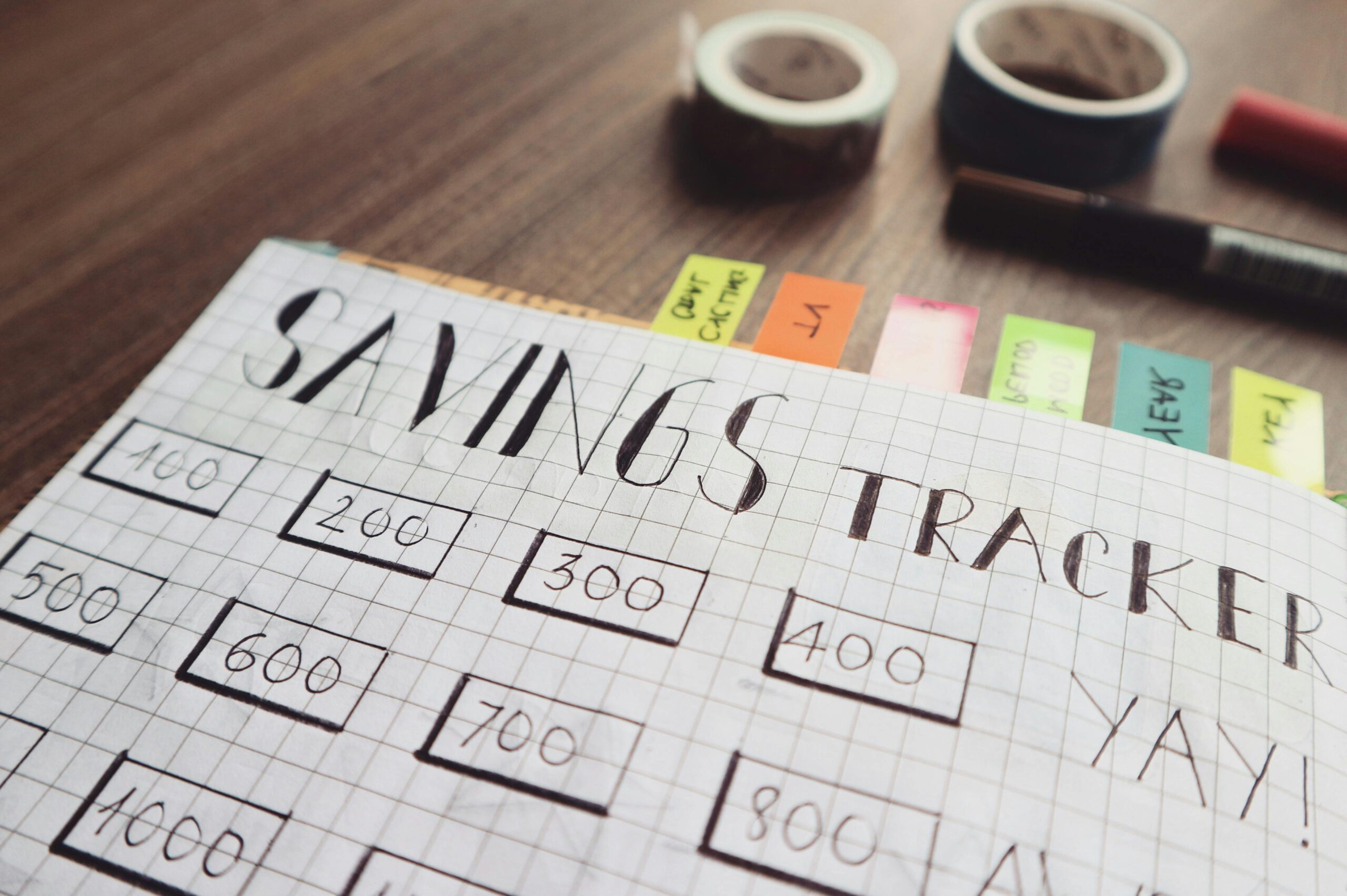
Transform personal allowances into friendly savings competitions. Challenge each other to reduce discretionary spending and redirect savings toward shared goals like vacations, home improvements, or investments.
Gamifying savings within personal allowances makes frugality fun rather than restrictive. Set monthly targets, celebrate achievements, and reward yourselves from the accumulated savings for motivation.
🔧 Practical Implementation Strategies
Successfully implementing personal allowance rules requires more than good intentions—it demands practical systems that operate smoothly without constant attention.
Automate Your Allowance Transfers
Set up automatic monthly transfers from your joint account to individual personal accounts. Automation removes decision fatigue and ensures consistency, treating personal allowances as non-negotiable budget items.
Schedule transfers immediately after payday when accounts hold sufficient funds. This timing prevents overspending on shared expenses before allocating personal allowances.
Using Technology to Track and Manage
Modern budgeting apps simplify tracking shared finances and personal allowances. These tools provide real-time visibility into spending patterns, help identify savings opportunities, and facilitate financial discussions.
Look for applications that support multiple account tracking, custom budget categories, and shared access between partners. Features like spending notifications and budget alerts keep everyone accountable without feeling controlled.
🚧 Common Pitfalls and How to Avoid Them
Even well-intentioned personal allowance systems encounter challenges. Recognizing common mistakes helps you navigate obstacles before they derail your financial harmony.
Setting Unrealistic Allowance Amounts
Overly restrictive personal allowances breed resentment and secret spending. Be honest about discretionary needs and adjust amounts as circumstances change. Your system should feel sustainable, not punishing.
Start conservatively if you’re uncertain, then increase allowances as you better understand spending patterns and identify additional savings opportunities in shared expenses.
Ignoring Income Changes
Personal allowance rules shouldn’t remain static when financial circumstances shift. Schedule quarterly reviews to adjust allowances based on raises, job changes, or unexpected expenses.
Build flexibility into your system from the beginning. Establish triggers for allowance adjustments, such as income changes exceeding 10% or major life events like having children.
Policing Each Other’s Spending
The purpose of personal allowances is freedom from judgment. Resist the urge to criticize your partner’s choices within their allowance. Whether they spend on designer coffee or save every penny, it’s their decision.
If partner spending genuinely concerns you, address it during scheduled money conversations rather than through spontaneous criticism. Focus on understanding motivations rather than controlling behavior.
👨👩👧👦 Adapting Personal Allowances Through Life Stages
Your personal allowance system should evolve as your life circumstances change. What works for newlyweds differs dramatically from what serves families with children or couples approaching retirement.
Starting Out: Building Your Foundation
Early in relationships, personal allowances might be smaller as you prioritize building emergency funds and eliminating debt. Focus on establishing the habit and communication patterns rather than generous amounts.
This phase teaches crucial negotiation skills and sets precedents for financial decision-making that will serve you throughout your relationship.
Growing Families: Adjusting for New Priorities
Children dramatically impact household budgets, often reducing available funds for personal allowances. Consider temporarily decreasing amounts while maintaining the system’s structure.
Some families with stay-at-home parents struggle with equal allowances. Remember that non-income-generating work holds tremendous value. Equal personal allowances honor unpaid labor’s contribution to household wellbeing.
Peak Earning Years: Maximizing Opportunities
During high-income periods, resist lifestyle inflation in personal allowances. Instead, proportionally increase both allowances and shared savings. This balanced approach builds wealth while enjoying earned prosperity.
Consider adding a “bonus allowance” fund for special occasions or achievements, separate from regular monthly amounts. This creates space for celebration without disrupting established patterns.
💬 Communication: The Heart of Successful Personal Allowances
No system survives without ongoing dialogue. Schedule regular money dates to discuss finances, review spending patterns, and adjust personal allowance rules as needed.
Monthly Financial Check-ins
Set aside time each month to review shared expenses, evaluate progress toward savings goals, and discuss any concerns about personal spending or allowances.
Keep these conversations constructive and forward-looking. Celebrate successes, analyze challenges without blame, and collaboratively problem-solve when issues arise.
Creating Safe Financial Conversations
Money discussions trigger anxiety for many people due to childhood experiences or past relationship conflicts. Establish ground rules for financial conversations that prioritize respect and curiosity over criticism.
Use “I” statements to express concerns, avoid accusatory language, and remember you’re partners working toward shared goals, not adversaries competing for resources.
📈 Measuring Success and Adjusting Your Approach
Evaluate your personal allowance system’s effectiveness through both quantitative and qualitative metrics. Financial progress matters, but so does relationship satisfaction and individual wellbeing.
Quantitative Success Indicators
Track concrete metrics like emergency fund growth, debt reduction, investment contributions, and overall savings rate. These numbers reveal whether your system supports long-term financial health.
Compare your financial position quarterly and annually. If you’re consistently meeting savings goals while maintaining personal allowances, your system works well.
Qualitative Success Indicators
Pay attention to emotional indicators: Do you feel stressed about money? Do financial discussions create conflict? Does anyone feel controlled or resentful about spending decisions?
Successful personal allowance systems reduce financial anxiety, increase relationship satisfaction, and create feelings of partnership rather than competition around money matters.
🎁 Special Circumstances and Creative Solutions
Standard personal allowance frameworks require modification for unique situations. Flexibility and creativity ensure your system serves your specific needs.
Dealing With Irregular Income
Freelancers, commission-based earners, and seasonal workers face income fluctuations that complicate fixed allowances. Consider basing personal allowances on rolling three-month income averages for stability.
Alternatively, establish minimum allowances funded even during lean months, with bonuses during high-earning periods. This approach provides security while acknowledging income variability.
Managing Expensive Hobbies
When personal interests require significant funding beyond standard allowances, create separate hobby budgets funded through shared discretionary income or individual overtime earnings.
Expensive hobbies deserve support when they contribute to wellbeing and relationship health, but shouldn’t disproportionately consume shared resources or create financial imbalance.
🌟 Building Long-Term Wealth Through Personal Allowance Discipline
The ultimate goal of mastering personal allowance rules extends beyond monthly budgeting—it’s about creating sustainable wealth-building habits that compound over decades.
Couples who successfully navigate personal allowances while maximizing shared savings consistently outperform those without clear systems. The combination of accountability, autonomy, and aligned goals creates powerful momentum toward financial independence.
Consider redirecting a portion of personal allowances toward individual retirement accounts or investment funds. This strategy personalizes long-term wealth building while maintaining the allowance structure’s benefits.

🤝 Your Financial Partnership Starts Today
Mastering personal allowance rules isn’t about perfect execution from day one. It’s about commitment to ongoing communication, willingness to adjust systems as needed, and shared dedication to both individual happiness and collective prosperity.
Start small if the concept feels overwhelming. Implement basic personal allowances this month, then refine your approach based on real experience rather than theoretical perfection. Every successful financial partnership began with a single conversation and a commitment to figure things out together.
Your financial future depends less on your current income and more on how effectively you manage resources together. Personal allowance rules provide the structure that transforms good intentions into lasting financial success, all while preserving the individual identity that makes relationships rich and fulfilling.
Take action today—schedule that first money conversation, open those individual accounts, and begin the journey toward simplified shared finances and maximized savings. Your future selves will thank you for the clarity, harmony, and wealth you’re building together right now.